The Endurance Trap: Staying Sharp During Extended Broadcasts
You hit the four-hour mark. Your voice starts to gravel, your eyes glaze over the chat monitor, and your gameplay becomes reactive rather than proactive. You aren't just tired; your creative decision-making has eroded. This is the physiological reality of the endurance stream. If you treat a six-hour session like a single, sustained effort, you are guaranteed to crash before the halfway point.
The goal isn't to push through fatigue; it is to manage your cognitive load so you stay as sharp in hour five as you were in minute one. Maintaining focus during long sessions is a matter of pacing, not just willpower.
{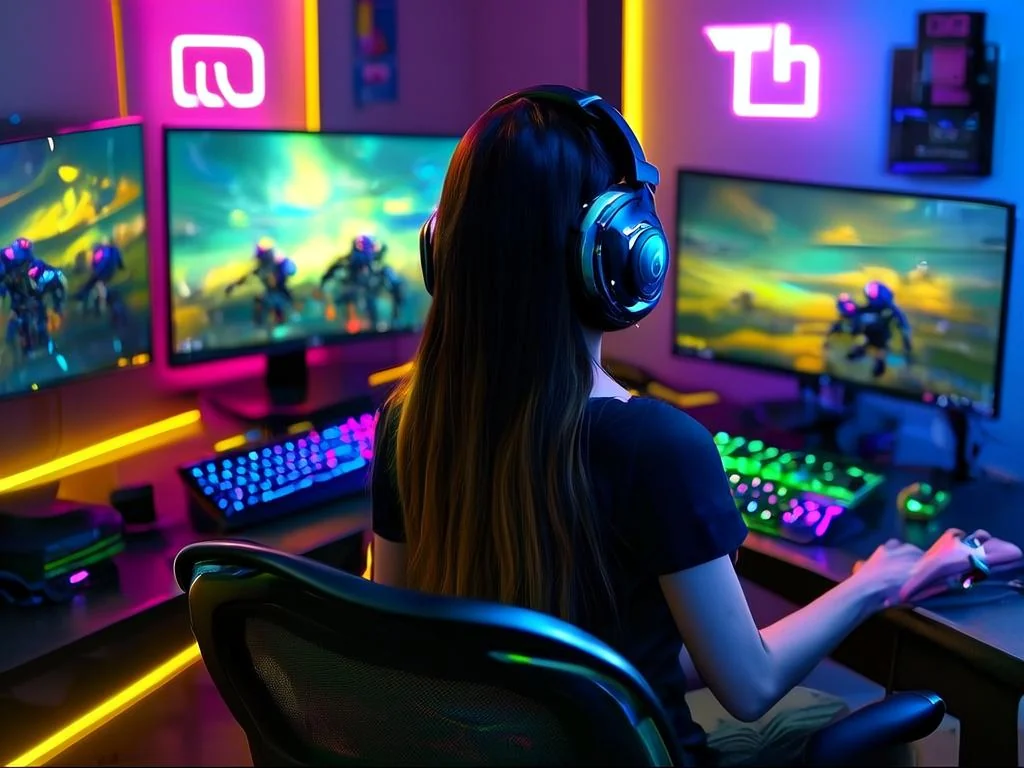 }
}
Segmented Performance: The "Micro-Break" Architecture
The most common mistake is treating a long stream as a monolith. Instead, view your stream as a series of distinct 90-minute "sprints." Research on cognitive focus suggests that human concentration naturally ebbs after roughly 90 minutes. Trying to force focus beyond this window without a reset usually leads to "zombie streaming"—where you are technically live, but your personality and reaction speed have flatlined.
The Strategy: Use natural transitions in your content to initiate a "hard reset."
- Mechanical Reset: Change your physical posture. Stand up, stretch your neck, and adjust the chair height. If you remain static for four hours, your brain associates that physical stagnation with a drop in dopamine.
- Sensory Reset: Step away from the monitor for 90 seconds. Focus your eyes on something at least 20 feet away to alleviate digital eye strain.
- Contextual Reset: Use a transition screen to switch to a different game, a different segment, or a Q&A session. This shift in the "mode" of your stream tricks your brain into re-engaging as if the stream has just begun.
Practical Scenario: The Tactical Reset
Consider a creator playing a high-intensity competitive game. By hour three, their performance is slipping, and they are getting frustrated with chat. They realize the fatigue is setting in.
Instead of quitting or forcing another hour of mediocre play, they announce a "Post-Game Analysis" break. They switch to a full-screen scene of their match recording, step away from the mic for three minutes, and drink water. When they return, they aren't playing; they are reviewing their own footage for the audience. This change in activity—moving from high-input gaming to lower-input commentary—recharges their mental battery for the final stretch of the session.
Community Patterns in Focus Management
Conversations among full-time creators frequently center on the "post-stream burnout" cycle. A recurring pattern is the realization that long streams are often less profitable in terms of quality-per-hour than shorter, high-intensity ones. Many creators have reported that by shortening their sessions by even 30 minutes, they actually see an increase in retention because the final segment of their stream is no longer a low-energy slog. The consensus is shifting: audience loyalty is built on the consistency of your energy, not the sheer volume of hours you clock.
Establishing Your Maintenance Protocol
Your ability to focus will fluctuate based on your environment and your external life. You need a way to track whether your current stream length is working for you. Use this checklist after every "long" broadcast:
- Voice Quality: Did I sound strained or raspy by the end? If yes, lower your volume or increase break frequency.
- Chat Interaction: Did I start ignoring or misreading chat messages in the final hour? If yes, my cognitive load was too high.
- Performance Data: Check your concurrent viewership graph. Does it drop off a cliff at the same hour every time? That is your natural "attention ceiling."
- Preparation Check: Did I have enough content planned for the final hour, or was I "winging it"? Improvisation requires more brain power than planned content; never wing the final hour of a long stream.
Routine Audits for Long-Term Health
Re-evaluate your streaming schedule every quarter. A schedule that felt sustainable in the winter may lead to burnout in the summer due to changes in light, temperature, or sleep patterns. Check your streamhub.shop inventory for ergonomic upgrades—like improved lighting or monitor mounts—that might physically reduce the fatigue you feel during long sessions. Remember: if your equipment makes you hold an awkward posture, no amount of mental discipline will save your focus.
2026-06-15
FAQ: Keeping the Stream Sharp
Q: Should I eat during a stream?
A: Keep snacks light and non-messy. A heavy meal will trigger a post-prandial dip in energy, making it harder to stay animated.
Q: Is it better to end the stream earlier if I'm tired?
A: Yes. It is better to end on a high note than to struggle through an hour of low-quality, frustrated content that lowers your average stream score.