The Ethics of Using AI-Generated Art for Your Twitch Panels and Offline Screens
You have a brand to build, and your channel art is the first handshake a new viewer receives. The tension between budget constraints, creative limitations, and the ethics of generative AI has created a complicated landscape for streamers. Choosing to use an AI-generated offline screen isn't just a design choice anymore; it is a signal you are sending to your audience about your values and your professional standards.
Defining Your Threshold for Authenticity
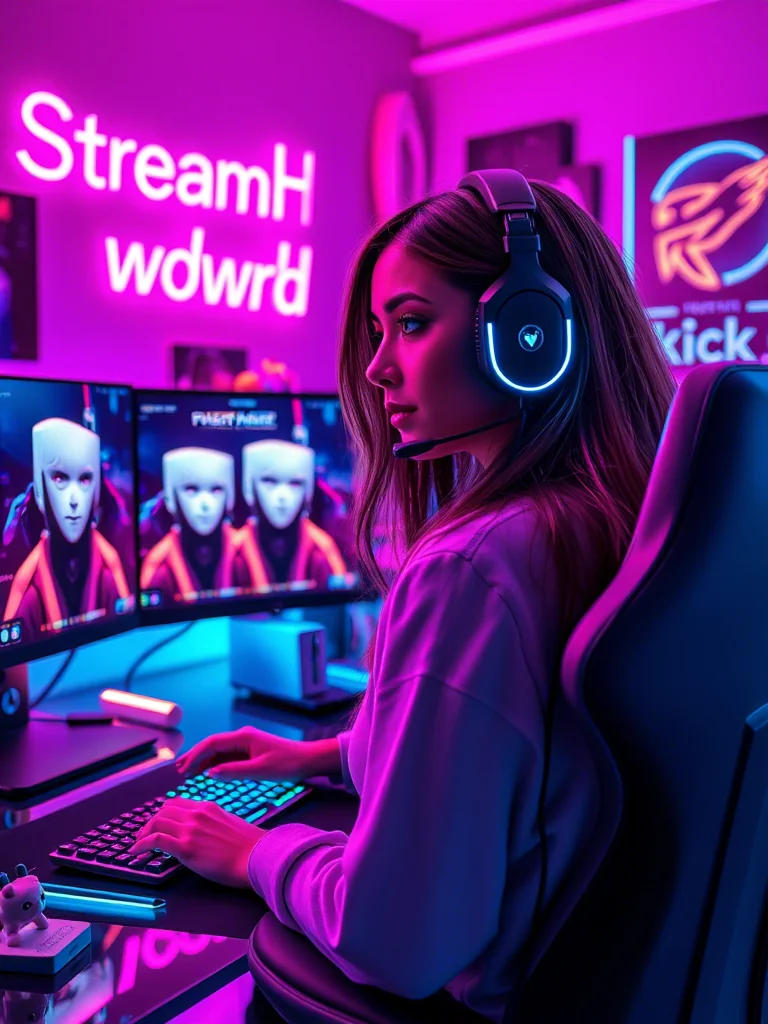
The primary friction point for streamers isn't necessarily legal—it is relational. When you use a prompt to generate a character portrait for your offline screen, you are prioritizing speed and cost over the human connection of commissioning an artist. For many viewers, the appeal of a stream is the "human-made" quality of the content. When that authenticity is replaced by a procedurally generated image that looks generic or "off," you risk signaling to your community that your visual identity is disposable.
However, the reality of the startup phase of streaming is often brutal. If you have zero budget, you are faced with a choice between using a stock image, a generic AI render, or nothing at all. The ethical path here isn't necessarily an outright ban on AI, but a commitment to transparency. If your art is AI-assisted, acknowledge it. Trying to pass off generated work as a hand-drawn commission is where the real ethical breach occurs—it damages your credibility when (not if) a viewer notices the inconsistencies in the line work or lighting.
{ }
}
The Decision Framework: To Generate or To Commission
Before you hit "generate" on your next set of panels, use this checklist to gauge if your choice aligns with your long-term brand health. If you cannot check these boxes, consider saving up for a commission instead.
- The "Humanity" Check: Does this art communicate something specific about my stream's personality, or does it look like a template?
- The Transparency Check: If a viewer asked, "Who drew this?", am I prepared to give an honest answer without feeling defensive?
- The Value-Add Check: Does this imagery actually serve a function (like navigation panels), or is it just filler clutter?
- The Ethical Sourcing Check: If I am using an AI tool, am I using a model that has clear opt-in policies for the artists it trains on? (Check your platform settings carefully.)
A Practical Scenario: The "Placeholder" Trap
Consider the case of a streamer named Alex, who decided to use AI to generate "placeholder" panels for their Twitch profile. They assumed they would replace them with custom art once they reached 500 followers. However, because the panels looked "good enough," Alex never felt the urgency to budget for an artist. Six months later, a viewer pointed out that the AI-generated panels featured nonsensical symbols in the background, which became a running joke at Alex's expense. The panels were no longer an asset; they were a distraction. The lesson? AI art is often static. It doesn't grow with your brand. If you use AI as a stopgap, set a hard calendar date to replace it with human-made assets. If you don't treat it as temporary, you’re just deferring the inevitable cost of building a real brand identity.
The Community Pulse
Within the streaming community, the prevailing sentiment is less about a total rejection of AI and more about an intolerance for "low-effort" content. Streamers who attempt to monetize AI-generated emotes or sell merch based on mass-prompted art often face immediate backlash. Conversely, creators who use AI to iterate on their own sketches or to create mood boards for artists they intend to hire later are viewed with more leniency. The general pattern suggests that your community will forgive the use of technology to assist your workflow, but they will not forgive the replacement of human collaboration when you have the resources to support fellow creators.
Maintenance and Evolution
Visual assets are not "set and forget." Every three to six months, review your panels and screens against the current trajectory of your channel. Ask yourself: Do these images still represent the quality of the content I am producing today? If your stream quality—audio, overlay, and engagement—has improved, but your art remains stale, AI-generated or otherwise, you are holding your brand back. When you decide to upgrade, look for artists whose style fits your community. If you need a starting point for finding resources that prioritize creative integrity, streamhub.shop offers curated tools that help you manage your branding needs effectively.
2026-05-23
Frequently Asked Questions
Is it ever "ethical" to use AI art if I can't afford an artist?
Yes, provided you are honest about it. Transparency is the antidote to suspicion. Frame it as a temporary solution while you work toward your goal of hiring an artist.
What if I edit the AI art heavily?
Transformative work—where you paint over, recolor, or combine AI elements with your own original design—is a gray area that leans much closer to "ethical" than raw, unedited generations. The more of your own labor is involved, the less problematic the source becomes.