You started streaming with a fire in your belly. The thrill of connecting, building a community, creating something from scratch – it’s an incredible high. But somewhere along the line, that high can start to feel like a heavy weight. The constant grind, the pressure to perform, the ever-present analytics, the fear of falling behind… it can quietly erode the passion, leaving you feeling drained, disengaged, and resentful.
This isn't just about being "tired." It's about a deeper exhaustion that impacts your creativity, your mental health, and even your real-world relationships. Burnout in content creation isn't a badge of honor; it's a warning sign. This guide isn't about telling you to "just take a break" – it's about building sustainable strategies to keep that fire alive, long-term, without sacrificing yourself in the process.
The Slow Creep of Exhaustion: Recognizing Burnout's Early Signs
Burnout rarely hits like a sudden wall. More often, it's a gradual erosion, a slow dimming of the light you once had for streaming. It starts subtly: a missed stream feels more like a relief than a letdown, logging on feels like a chore, and interacting with your community, once a joy, becomes another item on a never-ending to-do list. You might find yourself dreading going live, struggling to find inspiration for new content, or feeling unusually irritable during streams.
Physical symptoms can accompany this mental fatigue: persistent low energy, disrupted sleep patterns even after a long rest, headaches, or even a weakened immune system. Emotionally, you might experience increased anxiety, a pervasive sense of cynicism about your work, or a feeling of detachment from the very community you worked so hard to build. Recognizing these early, often subtle, signs is critical. Ignoring them only allows the problem to deepen, making recovery a much longer and harder road.
Crafting Your "Off-Limits" Zones: Why Boundaries Are Your Best Mod
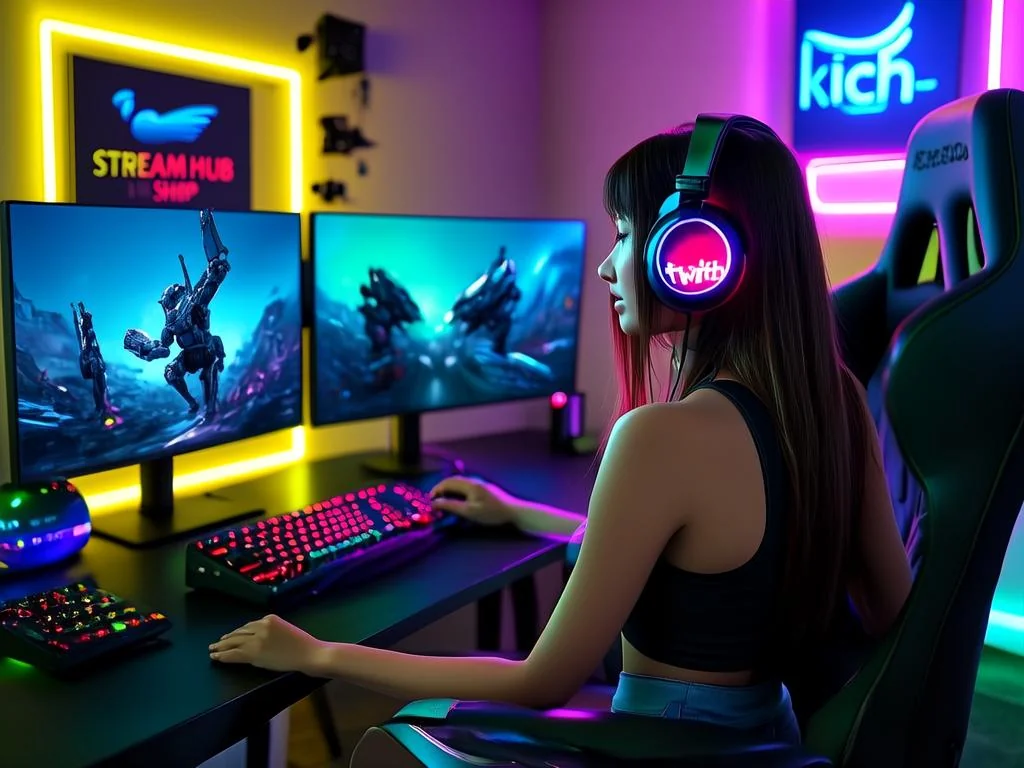
One of the most powerful tools against burnout isn't a piece of software or a new streaming gadget; it's the ability to set and enforce clear boundaries. In the always-on world of content creation, boundaries protect your energy, your time, and your mental space. They're not just for your viewers; they're primarily for you.
{ }
}
Think of your boundaries as non-negotiables. What are the rules you absolutely must live by to maintain your well-being? This goes beyond a simple stream schedule. It involves defining when you're "on" and, critically, when you're completely "off."
What This Looks Like in Practice: Maya's Shift
Maya, a variety streamer focused on indie games, initially felt immense pressure to stream almost daily, often for 4-6 hours, plus spend another 2-3 hours on social media and content prep. She saw other successful streamers doing it and assumed it was the only path. After six months, she found herself snapping at her chat, losing sleep, and dreading every stream. Her passion was gone.
Her solution wasn't to quit, but to create hard boundaries. She committed to streaming only three days a week, Tuesday, Thursday, and Saturday, for a maximum of 3 hours per stream. She also implemented a strict rule: no checking analytics or social media after 8 PM, and Sundays were designated "tech-free" days where her phone was on airplane mode for most of the day. Initially, she worried about losing viewers. Instead, her streams became more energetic, her engagement improved, and she found renewed joy in gaming. Her community, understanding her need for balance, often celebrated her "off" days with her, knowing it meant a better Maya when she returned.
Your boundaries might include:
- Fixed Stream Schedule: Don't just plan when you'll go live, plan when you'll stop. Be rigid with this.
- Designated "Work" Hours: Separate streaming, editing, and promotion into specific blocks. When the block ends, so does the work.
- No-Go Zones: Are there certain times of day (e.g., evenings, mornings) or days of the week when you absolutely will not engage with stream-related tasks? Protect these fiercely.
- Content Filters: Learn to say "no" to ideas or collaborations that don't genuinely excite you or that will overextend your resources.
- Analytics Blackout: Choose specific times to review metrics, rather than constantly refreshing them.
Fueling the Human Behind the Camera: Reconnecting with Yourself
Your identity as a streamer is important, but it should never be your *only* identity. Many creators fall into the trap of letting their entire life revolve around content, blurring the lines between their persona and their authentic self. To combat burnout, it's vital to nurture the human being behind the webcam.
What did you love doing before streaming became a central part of your life? Rediscover old hobbies, or explore new ones, purely for enjoyment, with zero pressure to turn them into content. Read a book, go for a hike, learn an instrument, cook a new recipe, or simply spend time with friends and family without mentioning your stream.
These activities serve multiple purposes: they offer mental breaks, provide new perspectives, and remind you that your worth isn't tied to your viewer count or subscriber numbers. They also create a richer, more balanced life, which paradoxically, can make your content more authentic and engaging when you do return to it.
The Creator Community Pulse: Shared Struggles, Shared Solutions
While every creator's journey is unique, the underlying pressures that lead to burnout are remarkably common. Many creators express a deep fear of missing out (FOMO) if they take even a short break, worrying that their audience will move on or that they'll lose momentum. There's a pervasive sense that the algorithm demands constant activity, pushing creators to always be "on" or constantly innovating, even when they feel creatively depleted.
Another recurring concern is the trap of comparison. Scrolling through social media, seeing other streamers' rapid growth, new setups, or exciting collaborations often triggers feelings of inadequacy or envy. This can fuel a cycle of overwork, as creators push themselves harder in an attempt to "catch up," further deepening their exhaustion. Many also voice guilt about taking time for themselves, feeling like they're letting their community down by not streaming or engaging constantly. It’s clear that these feelings are widely experienced, underscoring the need for open conversations and proactive strategies within the creator space.
Your Burnout Prevention Playbook: A Practical Checklist
Use this checklist to regularly assess your current situation and implement proactive strategies to keep burnout at bay.
- Audit Your Current Schedule: List out every hour you spend on stream-related activities (streaming, editing, social media, planning, tech). Is it sustainable? Is it enjoyable?
- Identify Your Energy Sinks: Which tasks consistently drain your energy and joy? Can they be delegated, simplified, or eliminated?
- Set 3 Non-Negotiable Boundaries: Choose specific times, days, or activities that are strictly off-limits for stream work. Write them down and share them with a trusted friend or partner for accountability.
- Schedule Dedicated "Off-Stream" Time: Don't just let breaks happen; plan them. Block out time in your calendar for hobbies, exercise, or simply doing nothing.
- Find One New Non-Stream Hobby: Commit to trying or revisiting an activity purely for personal enjoyment, with no intention of turning it into content.
- Delegate or Automate Where Possible: Can you use tools for scheduling social media? Can a trusted friend or moderator help with clips or community management?
- Practice Mindful Disengagement: When you're off-stream, truly be off-stream. Avoid constant phone checking or thinking about your next piece of content.
- Re-evaluate Your Content: Are you still passionate about what you're creating? If not, explore small shifts or new angles that reignite your interest.
The Annual Tune-Up: Re-evaluating Your Well-being Strategy
Managing burnout isn't a one-time fix; it's an ongoing process. Your life changes, your audience evolves, and the streaming landscape shifts. What worked last year might not work today. Commit to an annual (or even biannual) check-up of your well-being strategy.
Ask yourself these questions:
- Am I still genuinely enjoying the process of creating content, or does it feel like a constant uphill battle?
- Are my boundaries still holding strong, or have they started to erode? What new boundaries do I need?
- What new pressures or challenges have emerged in my streaming journey? How can I adapt to them without sacrificing my mental health?
- Am I making enough time for activities and relationships outside of streaming?
- Do I need to schedule a longer, planned break to fully recharge?
- Is there anything I can simplify, delegate, or cut from my routine to reduce stress?
This regular introspection allows you to adapt your strategies before burnout takes hold again. It’s about being proactive, not reactive, in protecting your most valuable asset: yourself.
2026-05-02