Defending Your Digital Assets: A Practical IP Framework for Creators
You have spent hundreds of hours editing your VODs, curating your overlays, and building a distinct brand identity. Then, you wake up to find your content clipped and re-uploaded on another channel, or worse, your custom graphics being sold as "starter kits" by a third party. The gut-wrenching feeling of seeing your creative work commodified by someone else is a rite of passage for many, but it is also a sign that your brand has value. Protecting your intellectual property (IP) is no longer just for big corporations; it is a fundamental part of running your channel.
This guide isn’t about panic; it’s about establishing a clear perimeter around your work so you can focus on streaming rather than chasing shadows.
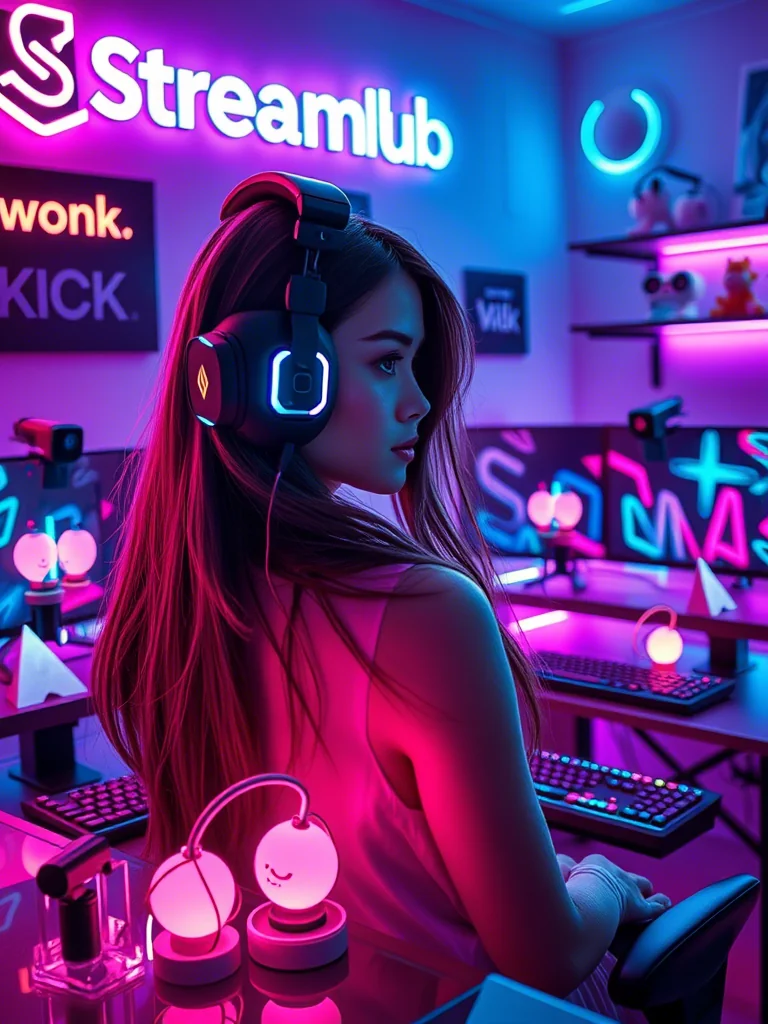
Establishing Your Ownership Baseline
Intellectual property is broad, but for a streamer, it usually boils down to three categories: your visual brand (logos, stream alerts, custom overlays), your unique content (original gameplay commentary, edited highlights, tutorials), and your personality rights (your likeness and name). The moment you create these, you hold the copyright. You do not need to register every clip to own it, but you do need to be able to prove that you are the original source.
The Strategy: Keep a "Master Asset Folder." Treat this like your company’s legal vault. It should contain the original project files for your overlays (e.g., .psd or .aep files), dated notes on when you produced specific content, and signed agreements with any artists who created assets for your brand. If you ever need to file a formal takedown request, having a organized trail of provenance makes the process significantly faster and more likely to succeed.
The Practical Reality: When a Copycat Appears
Let’s look at a common scenario. You discover that a user has downloaded your high-effort highlight reel and re-uploaded it to another video sharing site, stripping your branding and adding their own watermarks.
What to do first: Do not engage in a public call-out. Escalating to your audience often leads to harassment, which complicates your own standing. Instead, perform a "Verified Check":
- Verify the link: Ensure it is actually your content and not an unauthorized clip you permitted via your terms of service.
- Collect proof: Take screenshots of the offender’s page, noting the URL and the time you discovered it.
- Identify the platform mechanism: Most major video platforms have a dedicated reporting tool specifically for copyright infringement. Use these formal channels. They are designed to handle disputes privately and efficiently.
If the offender is using your branded assets (like your logo or custom emotes) on merchandise or other channels, that crosses from copyright infringement into trademark concerns. This is where professional legal advice is often the only move that protects your future revenue streams.
Community Pulse: The "Fair Use" Confusion
In creator spaces, there is a recurring pattern of frustration regarding the term "Fair Use." Many creators mistakenly believe that adding a commentary track or a transformation effect automatically grants them immunity from copyright claims. The community is split between those who operate with extreme caution—securing written licenses for every piece of music or art—and those who assume that if they haven't been "struck" yet, their workflow is legally sound.
The consensus among long-term, successful creators is that "Fair Use" is a legal defense you argue in court, not a permission slip to use someone else's labor. The safest path remains creating 100% original assets or utilizing royalty-free assets where you can retain, or clearly understand, the license agreement. Do not rely on assumptions; rely on contracts.
Decision Framework: Protecting Your Work
Use this checklist to audit your current IP protection status every quarter:
- Asset Audit: Are all your custom graphics properly backed up with project files to prove creation date?
- Licensing Check: If you use music or third-party assets, do you have the license documents saved in a folder?
- Reporting Protocols: Do you know exactly where the copyright reporting form is located on the platforms where you post content?
- Brand Monitoring: Do you perform a quick search for your channel name and unique logo to see if anyone is impersonating your brand?
- Contract Review: If you hire an editor or designer, is there a simple written agreement stating that the copyright transfers to you upon payment?
Maintenance: Keeping Your Protection Current
Laws and platform policies evolve. Plan to re-evaluate your protection strategy whenever you undergo a major rebrand or begin a new, complex project. For those building a larger operation, consider tools or services that monitor your digital footprint, though many creators find that simple, consistent record-keeping is sufficient for the first few years. For custom assets, ensure you understand the difference between a "commercial use license" and "exclusive ownership" when hiring freelancers at streamhub.shop or elsewhere.
2026-06-04