As a streamer, the pace of technological change can feel like a relentless current. One day it's about better cameras, the next it's AI art, then virtual production, and suddenly everyone's talking about the metaverse. It's easy to feel like you're constantly playing catch-up, worrying if your current setup or content strategy is about to become obsolete.
This guide isn't about predicting specific product launches or endorsing every emerging gadget. Instead, we'll cut through the hype to focus on the underlying shifts in technology that are likely to reshape how we create, engage, and monetize. Our goal is to equip you with a framework to evaluate these changes, identify what truly matters for your specific content, and integrate new tools thoughtfully, rather than blindly chasing every trend.
Beyond the Green Screen: The Rise of Virtual Production & AI Co-Pilots
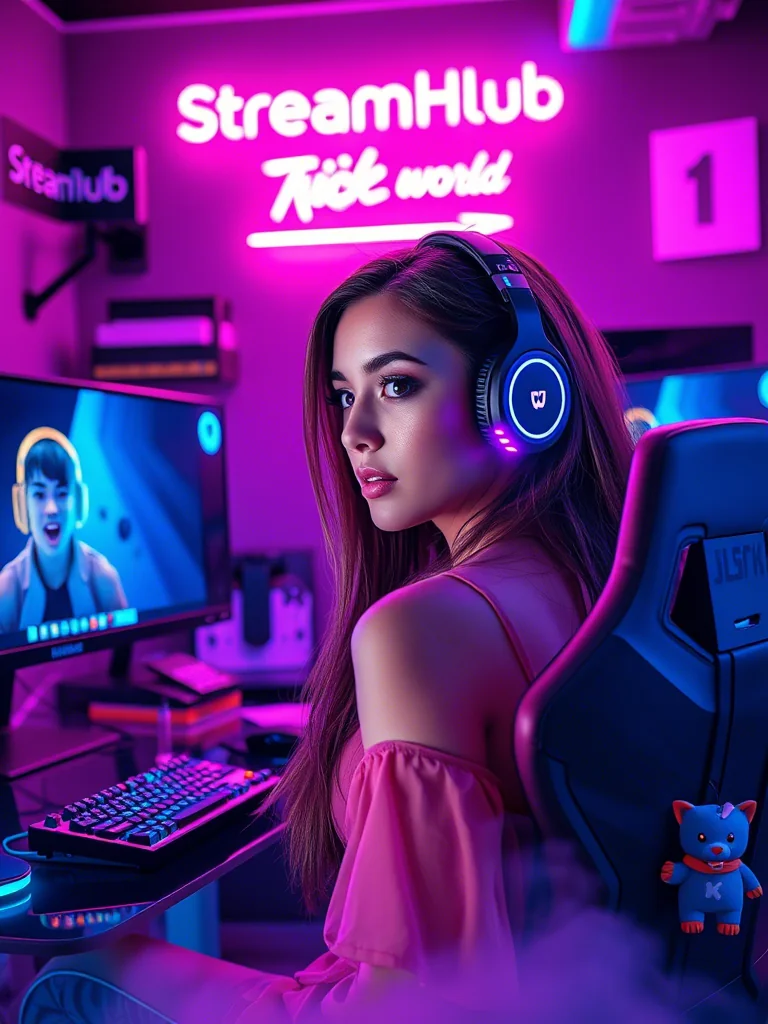
The days of basic green screen setups might not be over, but they're certainly getting a serious upgrade. We're seeing a rapid evolution towards more sophisticated virtual production environments, often powered by game engines like Unreal or Unity. This isn't just for big studios; increasingly accessible tools are allowing individual creators to build stunning, dynamic digital sets and characters.
Think about virtual avatars (VTubers) today. The next iteration involves more realistic, AI-driven facial and body tracking, allowing for incredibly expressive digital personas without the need for expensive motion capture suits. Beyond avatars, AI is becoming a powerful co-pilot for creators:
- Automated asset creation: AI can generate unique background art, emotes, or even short animated clips based on text prompts, saving time and resources.
- Real-time content modification: Imagine AI subtly adjusting lighting or adding visual effects in real-time based on stream events or viewer sentiment.
- Intelligent moderation & analytics: AI can help sift through chat, highlight key comments, or even summarize stream segments for VODs.
The promise here isn't to replace the human element, but to offload repetitive or technically demanding tasks, freeing you to focus on creative storytelling and direct audience interaction.
{ }
}
A Practical Scenario: The Solo Immersive Storyteller
Consider 'AstroNautilus,' an educational streamer who specializes in astrophysics. Instead of just showing slides or a webcam feed, AstroNautilus currently uses a basic green screen to project themselves onto a static image of space. In the near future, they could leverage a consumer-grade virtual production suite. This would allow them to:
- Walk through a realistic 3D model of the solar system: Interacting with planets and nebulae as if truly present, using simple tracking hardware (e.g., a webcam and depth sensor).
- Summon AI-generated visuals on demand: During a discussion about black holes, AstroNautilus could prompt an AI to instantly generate a stylized visual representation of spacetime distortion, displayed in their virtual environment.
- Integrate audience interaction into the virtual space: Viewers could vote on which celestial body AstroNautilus "visits" next, with the environment seamlessly transitioning.
This elevates the educational experience from passive viewing to an immersive journey, all managed by a single creator with smarter tools.
Engagement Redefined: Hyper-Interactive & Personalized Streams
We've moved past simple polls and chat commands. The next wave of engagement is about making viewers feel deeply embedded in the stream's narrative and offering personalized experiences. This relies heavily on more sophisticated data processing and AI.
- Dynamic Content Adaptation: Imagine a game stream where the difficulty or even certain in-game events subtly shift based on real-time chat sentiment or community achievements.
- Interactive Storytelling Branches: Not just "choose your own adventure" in a static sense, but live narratives where viewer choices genuinely impact the stream's direction, leading to unique outcomes for each session.
- Personalized Viewing Experiences: While still in early stages, future platforms could dynamically adjust stream overlays, highlight specific chat messages, or even suggest personalized content segments to individual viewers based on their past interactions and preferences.
The core idea is to move from a one-to-many broadcast to a network of many-to-many interactions, where each viewer's presence can tangibly shape the live experience.
Monetization Evolution: Direct Creator-Fan Value Exchange
Subscriptions, ads, and donations are established, but new models are emerging that prioritize direct, value-driven exchanges between creators and their most engaged fans. While speculative, some concepts are already taking root:
- Micro-Transactions for Specific Interactions: Beyond generic donations, imagine viewers paying a small amount to trigger a unique, personalized interaction in real-time (e.g., a custom AI voice line, a specific in-game action, or a dedicated shout-out with an AI-generated jingle).
- Digital Collectibles & Membership Tiers: NFT technology, despite its volatility, hints at a future where unique digital assets or exclusive membership tokens (beyond simple badges) could offer verifiable ownership of limited-edition content, access to special events, or governance rights in community decisions. The key here is tangible utility, not just speculation.
- Direct Brand Partnerships with Deeper Integration: As virtual production evolves, brands might seek more immersive and interactive placements within your virtual environments, moving beyond banner ads to contextual, experience-driven sponsorships.
The goal is to empower creators with more diverse and direct revenue streams, lessening reliance on platform-specific monetization rules and fostering deeper economic relationships with their core communities.
Community Pulse: Navigating the "New Tech" Anxiety
Based on recurring discussions and concerns we see across creator forums and social media, there's a clear pattern of apprehension alongside excitement when new technologies emerge:
- Cost Barrier: Many creators worry about the financial investment required to adopt new tech, fearing they'll be left behind if they can't afford the latest gear or software.
- Complexity & Learning Curve: The thought of mastering complex new software or workflows often feels daunting, especially for solo creators already juggling multiple roles.
- Authenticity Concerns: There's a persistent question about how much AI or virtual elements can be introduced before a stream loses its "human touch" or feels inauthentic. How do you maintain your unique brand voice?
- Fairness & Level Playing Field: Smaller creators often express concern that these advancements might disproportionately benefit larger, better-resourced creators, widening the gap.
- Ethical Implications: Creators are increasingly aware of the ethical debates surrounding AI, deepfakes, data privacy, and intellectual property, wanting to ensure responsible use of new tools.
These are valid concerns. The key is to remember that technology is a tool, not a replacement for good content or genuine connection. Strategic adoption, rather than wholesale overhaul, will be the path forward for most.
Evaluating New Tech for Your Stream: A Decision Framework
Before diving headfirst into the next big thing, ask yourself these questions:
- Does it genuinely enhance my content or audience experience? Is it a gimmick, or does it add real value?
- Is the cost (time, money, learning curve) justifiable? What's the ROI for your specific stream?
- Does it align with my brand and authenticity? Will it feel like a natural extension of your content, or forced?
- Is it accessible and sustainable? Can you maintain it long-term, and does it alienate any part of your audience?
- What are the ethical considerations? Am I comfortable with how this tech might use data, generate content, or impact my community?
If you can answer these positively, then it's worth exploring further. Start small, experiment, and gather feedback from your community.
What to Review Next: Staying Ahead Without Overwhelm
The future of streaming isn't a destination; it's an ongoing journey. To stay relevant without feeling constantly behind, adopt a proactive yet focused approach:
- Follow Key Developers & Innovators: Instead of general tech news, focus on companies and individuals actively building tools for creators (e.g., game engine developers, AI research labs focused on creative applications, streaming software innovators).
- Observe Audience Behavior: Pay attention to how your community and the broader streaming audience are interacting with new forms of content. Are they engaging more with virtual influencers? Are they requesting more interactive elements?
- Experiment Incrementally: Don't wait for a complete overhaul. Integrate small features or test new concepts regularly. A new overlay powered by AI, a unique chat command, or a short virtual segment can be low-risk experiments.
- Prioritize Impact, Not Hype: Always filter new tech through the lens of "How does this make my stream better for my viewers or easier for me?" If it doesn't solve a problem or create a new opportunity, it's probably not a priority.
- Participate in Early Access/Beta Programs: If a tool genuinely excites you and aligns with your goals, consider joining beta programs. This gives you early access and a chance to provide feedback that shapes the future of the tool.
Your unique voice and connection with your community will always be your most valuable assets. Technology should serve to amplify those, not overshadow them.
2026-05-02