The Unspoken Rules of Creator Collaboration
Most streamers approach networking like a cold call: they drop a DM to someone with ten times their following, ask for a "shoutout" or a "collab," and then wonder why they get left on read. The reality is that professional networking in this space isn't about collecting contacts; it is about building a portfolio of mutual utility. If you want to collaborate effectively, you have to stop thinking about what a bigger creator can do for you and start thinking about how your presence makes their content better.
Networking is an investment of time, and like any investment, it carries risk. You are essentially asking another human to bet their audience's attention on your personality. If you haven't laid the groundwork by proving that you are reliable, entertaining, and easy to work with, that bet is too expensive for them to take.
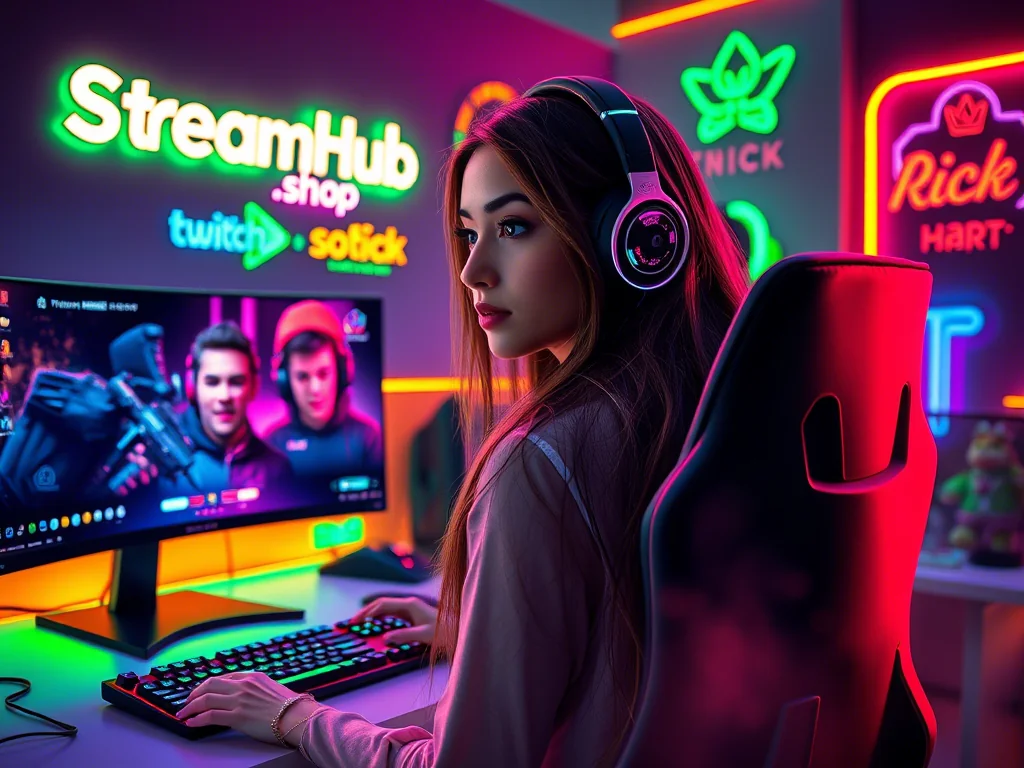
Beyond the Cold DM: Creating Genuine Utility
The most effective collaborations happen organically because both parties have already established a baseline of respect. Instead of reaching out to a stranger to "collab," shift your focus toward becoming a fixture in their periphery. This means engaging with their content in a way that provides value—clipping their best moments for them, participating in their community discussions without being a sycophant, and understanding their production style.
When you finally pitch a collaboration, your message should look like a business proposal, not a fan request. Focus on the "hook." Why should their audience care that you are on screen? Are you bringing a unique perspective, a specialized skill, or a chaotic energy that complements theirs? If you cannot explain the value proposition in two sentences, you are not ready to pitch.
Practical Scenario: The "Guest Specialist" Approach
Imagine you are a mid-sized variety streamer who specializes in a niche strategy game. You notice a larger creator, who usually plays mainstream titles, is struggling to learn your specific niche game on their own stream. Instead of asking for a collab, you send a brief, polite DM: "Hey, I saw you were having trouble with the economy system in [Game Name]. I've put together a two-minute breakdown on how to optimize your builds for that specific level. No need to reply, just thought it might save you some headache during the stream."
By providing immediate value without an explicit request, you establish yourself as a helpful expert. Two weeks later, if you suggest a casual session to run through advanced tactics together, the likelihood of a "yes" is significantly higher because you have already proven yourself to be a collaborator, not a leech.
Community Pulse: The Recurring Friction Points
In the broader creator ecosystem, a few specific patterns consistently emerge regarding networking fatigue. Most creators report that the sheer volume of "collab requests" they receive is overwhelming, leading them to ignore almost all unsolicited outreach. There is a strong consensus that the most successful professional relationships are formed through shared "third-party" environments—like industry mixers, shared Discord servers, or mutual participation in community events.
Creators frequently express frustration with "transactional" networking, where a peer only reaches out when they need a boost in numbers or a favor for a charity event. The consensus is clear: if you only show up when you need something, you are not a colleague, you are an asset to be managed. Reliability and consistency in your own content are the best networking tools you have.
The Collaboration Decision Framework
Before you commit to a joint stream or project, run your idea through this checklist to ensure it is worth the effort for both sides.
- The Audience Overlap: Does the audience of the other creator actually enjoy the type of content you produce? If the answer is "no," the collab will likely result in high friction and low growth.
- The Logistical Load: Have you clearly defined who is handling production, audio mixing, and technical troubleshooting? Never assume the "bigger" creator will handle the heavy lifting.
- The "Plan B" Scenario: What happens if the collaboration goes sideways, if technical issues occur, or if the energy isn't there? Always have a backup plan for content so the stream doesn't die in silence.
- The Value Exchange: Can you articulate exactly why this collaboration makes the stream better for the viewers? If the only goal is "exposure," you are likely wasting your time.
For those looking to build a professional foundation for these interactions, resources like streamhub.shop can help you refine the technical standards of your stream so that when you do get the chance to collaborate, your production quality is ready for a wider audience.
Maintenance: Reviewing Your Network
Networking is not a set-it-and-forget-it task. Every six months, take an audit of your creator relationships. Who have you worked with that actually moved the needle for your community? Who were the people who required too much hand-holding or caused more stress than they were worth? You should be pruning your professional circle just as much as you are expanding it. Ensure your contact list remains current, and periodically reach out to previous collaborators just to catch up—not to ask for anything, but to maintain the human connection.
2026-05-24