In the dynamic landscape of digital content creation, the lines between traditional media formats are increasingly blurring. For ambitious streamers and content creators, simply excelling in one medium is no longer sufficient to capture maximum audience reach and foster enduring community engagement. The emergent strategy of a podcast and streaming hybrid represents a sophisticated evolution, offering a robust framework for expanding your content footprint, enhancing discoverability, and deepening creator-audience relationships. This comprehensive guide from StreamHub World delves into the intricacies of integrating live streaming with on-demand audio, providing actionable insights for creators aiming to transcend single-platform limitations and build a truly resilient digital presence.
At its core, the hybrid model leverages the immediacy and interactive power of live video streaming alongside the evergreen accessibility and intimate nature of audio podcasting. It’s about more than just repurposing; it’s about intelligently designing content that resonates across diverse consumption preferences, transforming fleeting live moments into lasting, valuable assets. As we explore the strategic advantages and practical methodologies, you'll discover how a well-executed hybrid approach can unlock unprecedented growth and monetization opportunities for your brand.
{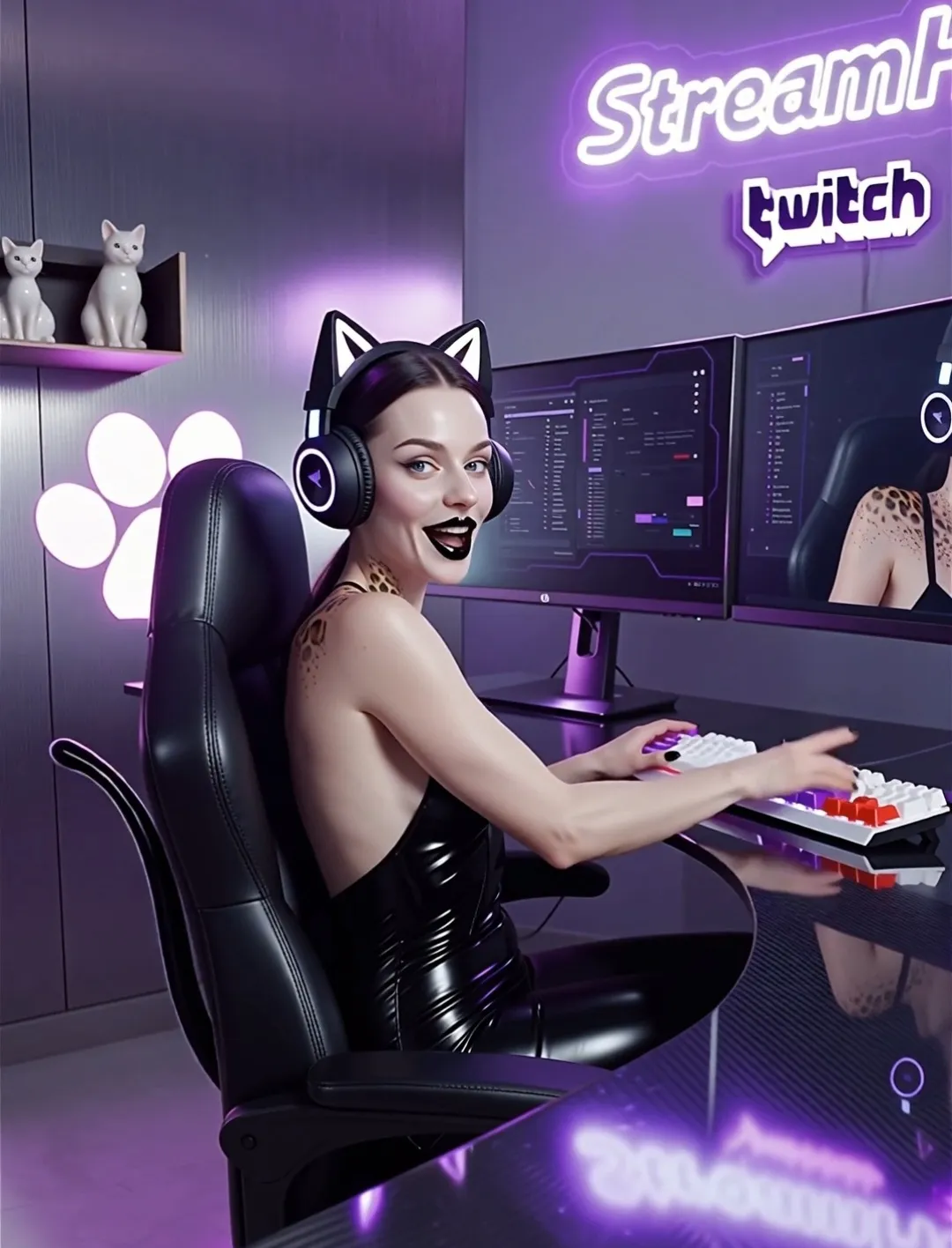 }
}
Understanding the Core Modalities: Streaming vs. Podcasting
Before diving into the hybrid strategy, it's crucial to understand the distinct characteristics and inherent strengths of each primary modality. Recognizing these differences allows creators to strategically tailor content and distribution for maximum impact.
Live Streaming: The Immediate Connection
Live streaming involves broadcasting real-time video and audio content over the internet, allowing for immediate interaction between the creator and their audience. Platforms like Twitch, YouTube Live, and Facebook Gaming dominate this space, fostering vibrant, dynamic communities.
- Pros:
- Real-Time Interaction: Direct engagement through chat, polls, and Q&A fosters strong community bonds and makes viewers feel valued.
- Dynamic Content: Unscripted moments, spontaneous reactions, and live events create authentic, often unpredictable, entertainment.
- High Engagement Potential: Viewers are active participants, contributing to the narrative and sharing the experience collectively.
- Direct Monetization: Subscriptions, donations, bits, and ad revenue are often directly integrated into streaming platforms.
- Cons:
- Ephemeral Nature: Unless saved as VODs (Video On Demand), live content disappears, limiting its long-term discoverability and reach.
- High Production Demands: Requires stable internet, quality hardware (cameras, mics), and often real-time moderation and technical management.
- Time-Sensitive: Audience engagement is heavily dependent on specific broadcast times, potentially excluding viewers in different time zones.
- Competitive Landscape: A highly saturated market demands consistent quality and unique content to stand out.
Podcasting: The Portable Storyteller
Podcasting refers to episodic series of spoken word digital audio files that users can download to a personal device for easy listening. Distributed via RSS feeds, podcasts are accessible through platforms like Spotify, Apple Podcasts, Google Podcasts, and many others.
- Pros:
- Evergreen Content: Episodes remain available indefinitely, offering continuous discoverability long after publication.
- Accessibility & Portability: Listeners can consume content anywhere, anytime – while commuting, exercising, or doing chores.
- Intimate Connection: The audio-only format often creates a more personal, direct connection between host and listener.
- Niche Focus: Podcasts excel at deep dives into specific topics, attracting highly engaged, dedicated audiences.
- Lower Production Barrier: While quality matters, the visual component is removed, potentially simplifying setup compared to video streaming.
- Cons:
- Lack of Visual Engagement: Cannot convey visual information, which can be a limitation for certain types of content.
- Slower Feedback Loop: Interaction is typically asynchronous (comments, emails), lacking the immediacy of live chat.
- Discovery Challenges: Despite growth, discoverability can be tough in a crowded market without active promotion.
- Monetization Can Be Indirect: Primarily relies on sponsorships, listener support, and premium content, which may take time to build.
The Synergistic Power of the Hybrid Model
The true genius of the podcast and streaming hybrid strategy lies in its ability to harness the strengths of both formats while mitigating their individual weaknesses. It's about creating an ecosystem where each content piece reinforces the others, leading to exponential growth and engagement.
When you combine live streaming with podcasting, you're not just doubling your workload; you're multiplying your potential impact:
- Audience Reach Expansion: Live streams capture viewers seeking real-time interaction, while podcasts attract listeners who prefer on-demand audio, often in different contexts (e.g., during commutes). This dual approach means you're accessible to a much broader demographic.
- Content Longevity and Repurposing: Live streams, traditionally ephemeral, gain immortality through podcast conversion. A successful live Q&A session can become an insightful podcast episode, extending its value and discoverability indefinitely. This principle of content repurposing is fundamental to efficiency.
- Monetization Diversification: With two distinct content pipelines, you open up multiple revenue streams – from live stream subscriptions and donations to podcast sponsorships and ad placements. This reduces reliance on a single platform or income source.
- Enhanced Discoverability: Search engines and recommendation algorithms on both video and audio platforms have more content to index from you. A listener discovering your podcast might then check out your live streams, and vice-versa.
- Deeper Community Engagement: Your most dedicated fans might follow both formats, engaging in live chat during streams and then listening to the polished audio version on their commute, reinforcing their connection to your brand.
Strategies for Implementing Your Hybrid Content Flow
Implementing a successful hybrid strategy requires intentional planning and adaptation. Here are the primary approaches:
Stream-First, Podcast-Second Approach
This is arguably the most common and often easiest entry point for existing streamers. It involves creating your primary content as a live stream, then extracting and refining the audio for podcast distribution.
- Live Stream Production: Conduct your stream as usual, focusing on engaging visuals and real-time interaction. Record your broadcast in high quality (both video and audio) locally, if possible, as a backup and for better editing fidelity.
- VOD Extraction: Once the stream concludes, download the VOD from your streaming platform (e.g., Twitch, YouTube Studio) or use your local recording.
- Audio Separation: Use video editing software (e.g., DaVinci Resolve, Adobe Premiere Pro) or dedicated audio extraction tools (e.g., Audacity, FFMPEG) to separate the audio track from the video.
- Podcast Editing & Enhancement:
- Trim & Cut: Remove dead air, technical glitches, irrelevant tangents, long pauses, or extended audience interactions that don't translate well to audio-only.
- Enhance Audio Quality: Apply noise reduction, compression, equalization, and normalization to ensure consistent volume and clarity.
- Add Podcast Elements: Insert a dedicated podcast intro and outro, potentially including sponsor reads, music, and calls to action specific to the podcast audience (e.g., "Subscribe on Spotify!").
- Address Visual Cues: If your stream heavily relied on visual cues ("as you can see here..."), consider adding brief verbal descriptions for your audio-only listeners.
- Distribution: Export the final audio as an MP3 and upload it to your podcast hosting service (e.g., Buzzsprout, Anchor, Libsyn).
| Aspect | Live Stream (Primary Content) | Podcast Episode (Repurposed) |
|---|---|---|
| Focus | Real-time interaction, visual engagement, dynamic flow. | Audio clarity, coherent narrative, evergreen value. |
| Target Audience | Engaged live viewers, community members, visual learners. | On-demand listeners, commuters, audio-first consumers. |
| Key Strengths | Immediacy, community building, direct feedback. | Portability, longevity, deep-dive potential. |
| Editing Emphasis | Minimal live editing, production quality pre-stream. | Extensive post-production: trimming, audio enhancement, adding intros/outros. |
| Call to Action (CTA) | Subscribing, donating, joining Discord. | Subscribing on podcast apps, leaving reviews, checking out live streams. |
Podcast-First, Stream-Second Approach
This method is ideal for creators whose core content is conversation-based, interviews, or educational discussions. It involves live-broadcasting the recording of a podcast episode, adding a visual layer for stream viewers.
- Podcast Recording Setup: Set up your audio gear (microphones, audio interface) as you would for a traditional podcast. Ensure high-quality, isolated audio tracks for each speaker.
- Adding Visuals for Stream:
- Camera Setup: Place cameras to capture hosts and guests. Good lighting is crucial.
- Overlays & Graphics: Design stream overlays for branding, viewer chat, and perhaps displaying relevant images or text.
- Screen Sharing: If discussing visual topics, be prepared to share your screen.
- Live Broadcast: Stream the recording session to platforms like YouTube Live or Twitch. Encourage live chat interaction by periodically pausing to answer questions or acknowledge comments.
- Post-Production for Podcast: After the live session, take the high-quality audio recordings. Edit them into a polished podcast episode, removing visual-dependent cues, stream-specific interactions, or technical issues from the live broadcast.
- Post-Production for VOD: The recorded stream can also be uploaded as a VOD, with minor edits to clean up transitions or add chapter markers.
| Feature | Live Podcast Recording (Stream-Enabled) | Traditional Live Stream (e.g., Gaming) |
|---|---|---|
| Primary Content Focus | Structured discussion, interview, narrative. | Dynamic action, immediate reactions, direct audience engagement. |
| Visual Elements | Often static shots of hosts/guests, branded overlays, perhaps simple graphics. | Dynamic game footage, facecam reactions, complex interactive overlays, alerts. |
| Audio Priority | Paramount: Crisp, clean, multi-track audio for later podcast export. | Important, but often secondary to game audio and commentary. |
| Audience Interaction | Integrated into discussion, Q&A segments, chat read-alouds. | Continuous, fast-paced, direct responses to chat, polls, commands. |
| Repurposing Value | High: Easily converted to evergreen podcast episode & VOD. | Moderate: VODs useful, but audio-only podcast conversion may require heavy editing due to visual dependence. |
Creating Bespoke Hybrid Content
This advanced strategy involves designing content specifically to excel in both formats simultaneously. It requires careful scripting and execution but yields the most integrated hybrid experience.
- Segmented Approach: Structure your content into distinct segments. Some segments might be highly visual for the stream, while others are purely auditory discussions that transition seamlessly into podcast episodes.
- Visual Aids for Audio: If using graphics or charts on stream, verbally describe them for your audio listeners. For example, "As you can see on the chart here, which shows a 20% increase..."
- Interactive Q&A: Dedicate a specific time during your stream for Q&A, encouraging both live chat questions and pre-submitted questions. This segment can be easily isolated for a compelling podcast episode.
- Interview Shows: Ideal for hybrid. The visual component adds personality and non-verbal cues for stream viewers, while the audio remains rich and informative for podcast listeners.
Essential Tools and Technologies for Hybrid Creators
Success in hybrid content creation hinges on reliable technology. Investing in the right tools can streamline your workflow and elevate your production quality.
- Audio Setup:
- Microphones: A good quality USB mic (e.g., Blue Yeti, Rode NT-USB+) for beginners or an XLR setup (e.g., Shure SM7B, Rode Procaster + Focusrite Scarlett interface) for professional quality.
- Audio Interface/Mixer: Essential for XLR mics, allows for multiple inputs and better control over audio levels.
- Headphones: Closed-back headphones are crucial for monitoring your audio and preventing echo.
- Video Setup (for streaming):
- Camera: A good webcam (Logitech C920/Brio) or a mirrorless/DSLR camera with a capture card for superior image quality.
- Lighting: Key lights, fill lights, and backlights can drastically improve visual appeal. Ring lights or softboxes are popular choices.
- Green Screen (Optional): For background removal and virtual sets.
- Recording & Editing Software:
- Streaming Software: OBS Studio (free, open-source), Streamlabs Desktop.
- Video Editing: DaVinci Resolve (free, powerful), Adobe Premiere Pro, Final Cut Pro.
- Audio Editing: Audacity (free), Adobe Audition, Reaper.
- Distribution Platforms:
- Streaming Platforms: Twitch, YouTube Live, Facebook Gaming.
- Podcast Hosting: Buzzsprout, Anchor (now Spotify for Podcasters), Libsyn, Transistor. These services distribute your podcast to major directories (Spotify, Apple Podcasts, Google Podcasts).
- Social Media: Twitter, Instagram, TikTok for promotion and audience engagement.
- Audience Growth Tools: While organic growth is paramount, leveraging smart marketing tools can significantly accelerate your reach. Platforms such as streamhub.shop offer targeted services to help boost your channel's visibility and attract a larger, engaged audience, ensuring your meticulously crafted hybrid content reaches the right people.
Optimizing Content for Each Platform
Simply putting content everywhere isn't enough; optimization is key. Each platform has its own best practices for discoverability and engagement.
Crafting Engaging Podcast Episodes
- Compelling Titles & Descriptions: Use clear, keyword-rich titles and show notes that accurately reflect episode content and entice listeners.
- High-Quality Audio: Prioritize clean, consistent audio. This is non-negotiable for podcasts.
- Structured Content: Even if derived from a stream, ensure the podcast has a logical flow, with clear intros, main content, and outros.
- Call to Actions (CTAs): Encourage listeners to subscribe, leave reviews, and crucially, direct them to your live streams or video content for the visual experience.
- Metadata: Fill out all relevant metadata (tags, categories) to improve discoverability within podcast directories.
Maximizing Live Stream Impact
- Engaging Titles & Thumbnails: Create eye-catching stream titles and custom thumbnails that clearly convey your content and encourage clicks.
- Consistent Schedule: A predictable streaming schedule helps build a loyal audience that knows when to tune in.
- Active Chat Engagement: Regularly interact with your live chat, answer questions, and acknowledge new viewers and subscribers.
- Interactive Elements: Use polls, overlays, and channel point redemptions to keep viewers engaged.
- Call to Actions (CTAs): Promote your podcast episodes, encouraging viewers to subscribe to the audio version for a different experience or to catch up on previous discussions.
Promotional Strategies for Hybrid Content
Cross-promotion is the backbone of a successful hybrid strategy. Your goal is to funnel audiences between your different content formats.
- Social Media Integration: Share clips of your podcast on TikTok/Instagram Reels, announce new podcast episodes on Twitter, and promote upcoming streams across all platforms.
- Website/Newsletter: Create a central hub on your website where all your content (live stream schedule, podcast episodes, VODs) is easily accessible. Use an email newsletter to update your most dedicated fans.
- In-Content CTAs: As mentioned, explicitly direct your stream audience to your podcast, and your podcast audience to your streams.
- Trailer/Teasers: Create short, engaging trailers for new podcast series or highlight reels from streams to pique interest.
- Strategic Partnerships: Collaborate with other creators who have a similar target audience but perhaps specialize in a different format.
- Leverage Professional Growth Services: For creators looking to accelerate their growth and ensure their hybrid content reaches a wider, relevant audience, investing in professional marketing services can be highly effective. Platforms like streamhub.shop specialize in helping streamers and content creators enhance their visibility and organic reach, making sure your diversified content gets the attention it deserves from potential new followers across platforms.
Monetization Avenues for Hybrid Content
A diversified content portfolio naturally leads to diversified income streams. The hybrid model allows creators to tap into multiple monetization channels.
- Ad Revenue:
- Streaming: Pre-roll, mid-roll, and post-roll ads on Twitch, YouTube Live.
- Podcasting: Dynamic ad insertion (pre-roll, mid-roll, post-roll) through hosting platforms or direct ad sales.
- Subscriptions & Memberships:
- Streaming: Twitch subscriptions, YouTube channel memberships, Facebook Stars/subscriptions.
- Podcasting: Premium podcast subscriptions via platforms like Patreon or dedicated podcast subscription services, offering ad-free content, bonus episodes, or early access.
- Sponsorships & Brand Deals: Attract brands interested in reaching your combined audience across both visual and audio formats. This offers sponsors a wider, more integrated campaign opportunity.
- Merchandise Sales: Promote your merch on both streams and podcasts. Your hybrid audience provides a larger potential customer base.
- Affiliate Marketing: Recommend products or services relevant to your content, sharing unique affiliate links on both platforms.
- Donations/Tips: Often integrated directly into streaming platforms, but can also be linked for podcast listeners (e.g., Buy Me a Coffee).
Overcoming Challenges in Hybrid Content Creation
While highly rewarding, a hybrid strategy isn't without its hurdles. Anticipating and addressing these challenges is crucial for sustained success.
- Time Management: Producing content for two distinct formats can be demanding. Efficient repurposing workflows and clear scheduling are essential to avoid burnout.
- Technical Complexity: Managing audio and video quality for both live broadcast and polished podcast requires a learning curve and potentially more sophisticated equipment.
- Maintaining Consistency: Regular output for both streams and podcasts builds audience loyalty. This requires discipline and a robust content calendar.
- Distinguishing Content: Ensure that your podcast isn't just a rehash of your stream. Add unique intros, outros, or specific audio-only segments to provide distinct value to each audience.
- Analytics & Metrics: Tracking performance across different platforms requires diligence. Understand the key metrics for each format (live viewers vs. podcast downloads) to refine your strategy.
- Audience Segmentation: Recognizing that your live stream audience might have different preferences or engagement patterns than your podcast audience helps tailor your CTAs and content focus.
The Future of Hybrid Content: Trends and Predictions
The digital content landscape is constantly evolving, and the hybrid model is at the forefront of innovation. Here’s what we can expect:
- Increased Visual Podcasting: More podcasts will incorporate a visual component, not just for live streams, but as a standard offering on platforms like YouTube and Spotify, blurring the lines even further.
- AI-Assisted Editing and Repurposing: Advances in AI will make it easier to automatically transcribe, edit, and segment content from streams into podcast-ready formats, reducing creator workload.
- Interactive Audio Experiences: Expect more integration of real-time audience participation into audio-first content, moving beyond just live chat to more dynamic, voice-based interactions.
- Smarter Cross-Platform Integration: Platforms will likely offer more seamless tools for creators to manage and cross-promote their content across different modalities.
- Niche Hybridization: As the market matures, more creators will find hyper-specific niches where a hybrid approach offers unique value, catering to highly engaged, specialized communities.
Frequently Asked Questions about Podcast and Streaming Hybrids
What's the biggest benefit of going hybrid?
The biggest benefit is significantly expanded audience reach and enhanced content longevity. By being present on both live video and on-demand audio platforms, you tap into different consumption habits and demographics, while also giving your content a much longer shelf life than a typical live stream.
Do I need separate content ideas for streams and podcasts?
Not necessarily. While you can create bespoke content for each, the core idea behind a hybrid strategy is often to repurpose. You can stream a discussion, interview, or educational segment, and then edit that into a podcast episode. The key is to adapt the content for each format's strengths and audience expectations, not necessarily to create entirely new topics.
How do I manage the extra workload?
Efficient workflows are crucial. Focus on a "stream-first, podcast-second" approach initially, as it's often simpler to extract audio from video. Utilize tools for automated transcription, audio cleanup, and batch processing. Consider outsourcing specific tasks like audio editing if your budget allows. Most importantly, start small and gradually scale your efforts.
What's a good starting point for a beginner?
If you're already a streamer, begin by consistently recording your streams in high quality. After your stream, experiment with simply extracting the audio, adding a basic intro/outro, and uploading it to a free podcast host like Spotify for Podcasters. Focus on one type of stream (e.g., Q&A or a discussion segment) that translates well to audio. Perfecting the process for one type of content is easier than attempting a full overhaul.
Can a small channel effectively use a hybrid strategy?
Absolutely. A hybrid strategy is arguably even more beneficial for smaller channels. It provides more avenues for discoverability and growth in crowded markets. While larger channels might have teams, smaller creators can start with simpler repurposing techniques and grow their audience on multiple fronts, slowly building momentum. It's a powerful tool for organic growth and establishing a versatile brand.
Conclusion: Embracing the Multi-Platform Future
The convergence of live streaming and podcasting is not merely a trend; it's a fundamental shift in how creators engage with their audiences and build sustainable digital businesses. By embracing a podcast and streaming hybrid strategy, you unlock unparalleled opportunities for audience expansion, content longevity, and diversified monetization. It demands intentionality, adaptability, and a commitment to understanding the unique strengths of each medium. However, the rewards—a more robust brand, deeper community connections, and a resilient content ecosystem—are profoundly worthwhile.
As the digital landscape continues to evolve, creators who master the art of multi-platform engagement will be those who thrive. Start experimenting, learning, and adapting. Your next level of growth might just be a hybrid strategy away.