You’ve seen the headlines, heard the chatter. NFTs, crypto, "decentralized" platforms – it's a new lexicon promising fresh monetization and community tools. But for a streamer just trying to grow their audience and make a living, is diving into Web3 a genuine opportunity worth the effort, or just another layer of complexity and potential pitfalls? This guide cuts through the hype to help you decide.
The Core Pitch for Creators: Ownership and New Revenue Streams
At its heart, Web3 aims to build a more "user-owned" internet, powered by blockchain technology. For creators, the appeal often boils down to two main promises:
- Direct Ownership: Instead of platforms owning your content or dictating terms, Web3 proponents suggest creators can directly own their digital assets (like NFTs) and data.
- New Monetization Avenues: Beyond subscriptions, ads, and traditional donations, Web3 opens doors to selling unique digital collectibles, token-gated access, or receiving crypto donations. The idea is to disintermediate, allowing creators to capture a larger share of the value they generate.
While these promises are compelling, the reality is often more nuanced, involving new technical hurdles, market volatility, and a steep learning curve. The key is to evaluate whether these potential benefits align with your specific content, community, and risk tolerance.
NFTs: More Than Just JPEGs? Practical Applications for Streamers
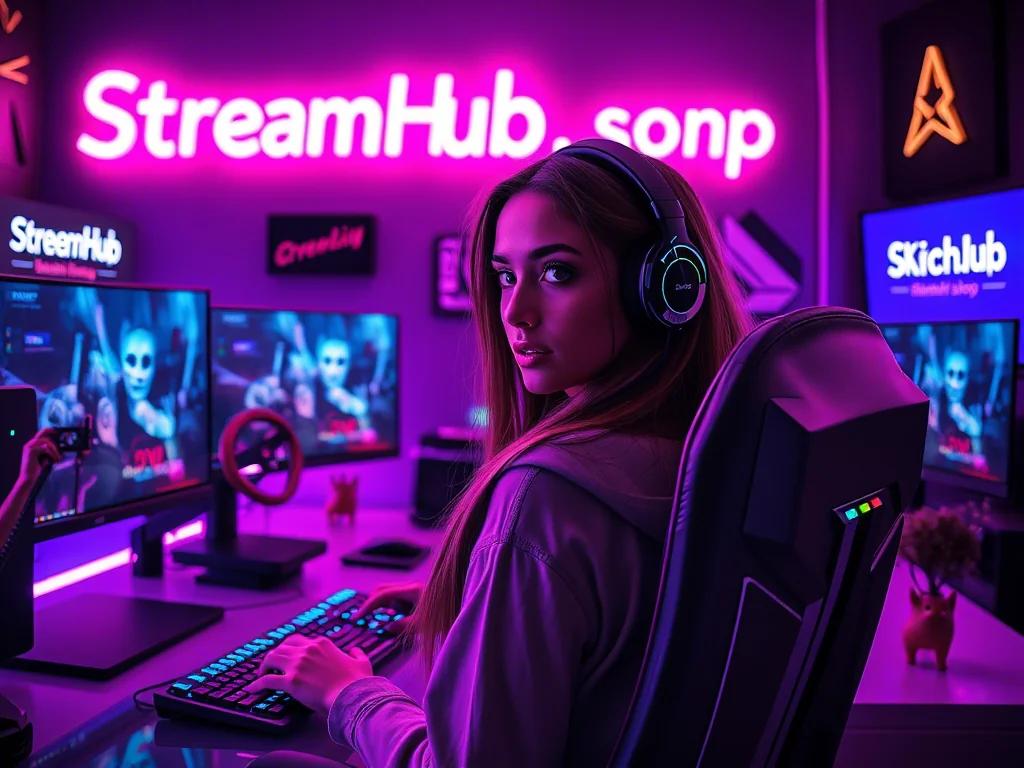
NFTs, or Non-Fungible Tokens, are unique digital assets stored on a blockchain. While they've gained notoriety for expensive digital art, their utility for streamers can extend to community building and exclusive content.
{ }
}
What This Looks Like in Practice: The "Founding Members" NFT Pass
Imagine you're a streamer, "PixelPaladin," about to hit a major milestone. You want to reward your most loyal fans and build a tighter-knit community. You could:
- Mint a Limited Collection: Create 100 unique "Founding Paladin" NFTs. These aren't just images; they're digital keys.
- Offer Exclusive Access: Holders of a "Founding Paladin" NFT automatically get a special role in your Discord server, unlocking private channels where you share early game previews, behind-the-scenes content, or even host monthly Q&A sessions.
- Future Perks: You could promise future airdrops (free digital items) to these NFT holders, or give them priority access to future merchandise drops or real-life meetups.
- Funding a Project: The initial sale of these NFTs could help fund a new streaming setup, a community tournament with a prize pool, or even development of a custom game mod for your community.
This approach moves beyond simply selling a digital image; it turns the NFT into a membership pass, creating a tiered community experience. The challenge lies in communicating the value, managing the technical setup, and navigating potential market fluctuations if these NFTs are resold.
Crypto as a Payment & Donation Method: Weighing the Trade-offs
Accepting cryptocurrency for donations or product sales can seem appealing, offering lower transaction fees compared to traditional payment processors and enabling global reach without currency conversions. However, it comes with significant considerations:
- Volatility: The value of cryptocurrencies can fluctuate wildly. A donation worth $100 today might be worth $50 tomorrow, or $200. This introduces financial uncertainty for both you and your supporters.
- Complexity: Setting up crypto wallets, understanding different chains, and managing transactions can be intimidating for both you and your audience. Many viewers might not have crypto or know how to send it.
- Tax Implications: Dealing with crypto often introduces complex tax reporting requirements, varying significantly by region. You'll need to track purchase dates, sale dates, and conversion rates, and potentially report capital gains or income.
- Environmental Concerns: Some cryptocurrencies, particularly those using "Proof of Work" (like older Bitcoin and Ethereum until recently), consume significant energy, which can be a concern for environmentally conscious communities.
For many streamers, the added complexity and risk currently outweigh the benefits, especially when traditional payment methods are widely understood and supported.
The Community Pulse: Recurring Creator Concerns
When streamers discuss Web3, the conversation often circles back to a few core anxieties and practical questions, rather than unbridled enthusiasm. Many express frustration with the sheer complexity, finding the jargon alienating and the setup daunting. There's a palpable concern about scams, rug pulls, and pump-and-dump schemes that have unfortunately plagued parts of the crypto and NFT space, leading to a general distrust of anything that feels "too good to be true."
Another common point of friction is the perceived lack of tangible utility for many Web3 projects. Streamers often ask, "What does this actually *do* for my community or my stream that I can't already achieve with existing tools?" The volatility of crypto markets is also a constant worry, with creators wary of building a monetization strategy around assets whose value can plummet overnight. Furthermore, the environmental impact of certain blockchains frequently comes up, as many creators are keen to maintain an eco-friendly brand.
Ultimately, the overarching sentiment is often one of caution and a demand for clearer, simpler, and genuinely valuable use cases that justify the investment of time and potential risk.
Deciding Your Web3 Path: A Creator's Checklist
Before you commit to integrating Web3 elements into your stream, ask yourself these questions:
- What Problem Am I Solving? Is there a clear challenge (e.g., community engagement, funding, exclusivity) that Web3 genuinely addresses better than existing tools? Don't adopt it just because it's new.
- Does My Community Understand & Care? Is your audience tech-savvy enough or interested in engaging with crypto/NFTs? Introducing something overly complex might alienate them.
- Have I Done My Research? Understand the specific blockchain (e.g., Ethereum, Polygon, Solana) you'd use, the associated fees (gas fees), and the process for creating/selling/receiving.
- Am I Prepared for Volatility & Risk? Are you comfortable with the potential financial fluctuations of crypto, and aware of the security risks associated with digital wallets and transactions?
- What Are the Tax Implications? Have you consulted with a tax professional about how crypto income or asset sales will be treated in your region? This is crucial.
- Can I Clearly Communicate the Value? If you launch an NFT project, can you articulate its benefits to your community without resorting to jargon or vague promises? Transparency builds trust.
- What's My Exit Strategy? If the Web3 integration doesn't work, how will you pivot or discontinue it without negatively impacting your community?
Start small, experiment, and don't feel pressured to dive in headfirst if the answers to these questions don't provide clear confidence.
Staying Current: What to Monitor in the Web3 Space
The Web3 landscape is constantly evolving, making it challenging to keep up. If you decide to engage, consider regularly reviewing these areas:
- Platform Stability & Security: New platforms and marketplaces emerge frequently. Monitor their reputation, security audits, and user reviews. Be cautious of projects that promise unrealistic returns.
- Regulatory Changes: Governments worldwide are still figuring out how to regulate cryptocurrencies and NFTs. New laws regarding taxation, consumer protection, and financial services could impact how you operate. Stay informed about developments in your region.
- Technological Advancements: Blockchains are constantly being updated, with new features, lower fees, and improved energy efficiency. Keep an eye on major network upgrades (like Ethereum's "Merge" to Proof-of-Stake, which significantly reduced its energy consumption).
- Community Sentiment: The broader public and creator community's perception of Web3 can shift rapidly. Monitor discussions, identify prevailing concerns, and adapt your approach to maintain trust with your audience.
- Genuine Use Cases: Look for examples of other creators (not just huge brands) successfully using Web3 in ways that genuinely benefit their community or content, rather than just chasing speculative value. These practical examples can offer valuable insights.
2026-03-07