You've just wrapped up a fantastic stream, the chat was buzzing, the energy high. But now the 'offline' screen is up. What happens next? How do you keep that momentum, those conversations, and that crucial connection going until the next time you hit 'Go Live'? For many creators, the period between streams is a missed opportunity, a void where potential community members drift away. Engaging with your audience off-stream isn't just a nice-to-have; it's a strategic pillar for building a loyal, resilient community that extends far beyond the live broadcast.
Beyond the Live Button: Why Off-Stream Engagement Isn't Optional
Think of your live stream as the main event, the concert. Off-stream platforms are the after-party, the fan club, the merchandise booth, and the backstage pass all rolled into one. It's where casual viewers evolve into dedicated community members. The benefits are profound:
- Deepens Connection: Live chat is fast-paced. Off-stream, conversations can be more deliberate, personal, and lasting. This builds genuine rapport.
- Combats Churn: Regular off-stream touchpoints remind your audience you exist, keep them invested, and make them more likely to return for your next stream.
- Builds Loyalty & Advocacy: A strong community feels like a family. These members are your biggest advocates, spreading the word and defending your brand.
- Diversifies Content & Interaction: Not everything fits a live stream. Off-stream platforms allow for quick updates, polls, behind-the-scenes glimpses, Q&As, and even collaborative events that might be too slow or niche for your main broadcast.
- Provides a Safety Net: If a platform's algorithm changes or your stream schedule gets disrupted, a strong off-stream community provides a direct line to your audience, ensuring continuity.
Ultimately, off-stream engagement is about turning viewers into true community members, creating a sense of belonging that transcends the "on-air" status.
{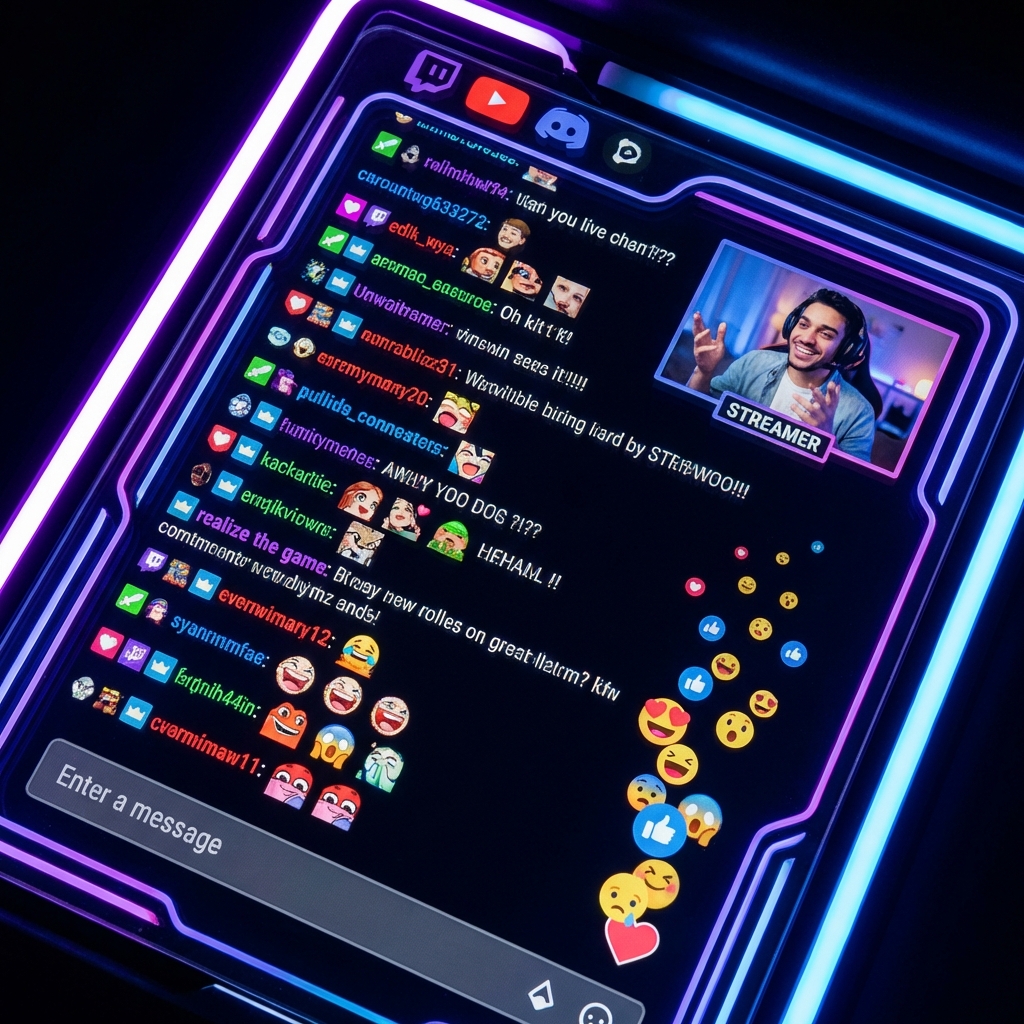 }
}
Choosing Your Battleground: Discord, Social Media, or Both?
The biggest mistake many creators make is trying to be everywhere. Your time is finite. Instead, be strategic. Each platform serves a different purpose and fosters a different kind of interaction. Identify your primary goals and your audience's habits before you commit.
Discord: The Deep Dive Community Hub
Discord is a powerful, permission-based platform designed for real-time communication among a focused group. It's not about broad reach; it's about deep, sustained interaction with your most dedicated fans.
- Pros:
- Structured Conversation: Channels allow for organized discussions (e.g., #game-talk, #art-showcase, #lfg-squads, #off-topic-memes).
- Voice & Video Chat: Perfect for community game nights, Q&As, or just hanging out.
- Direct Access: Your core fans get a dedicated space to interact with you and each other.
- Moderation Tools: Robust roles and bot integrations help manage the community effectively.
- Exclusive Content: Easy to offer subscriber-only channels or perks.
- Cons:
- Higher Barrier to Entry: Less casual viewers might not want to join another server.
- Requires Active Management: A dead Discord server can do more harm than good. It needs content, engagement, and moderation.
- Can Feel Cliquey: If not managed well, new members might struggle to break into existing groups.
Best for: Fostering a tight-knit community, deep discussions, direct fan interaction, hosting community events, and providing a "home base" for your most loyal supporters.
Social Media (e.g., X, Instagram, TikTok): The Broad Reach & Discovery Engine
Platforms like X (formerly Twitter), Instagram, and TikTok are designed for discoverability, quick consumption, and broad reach. They're excellent for attracting new viewers and sharing bite-sized updates.
- Pros:
- Discoverability: Algorithms can expose your content to new audiences beyond your current followers.
- Quick Updates: Ideal for stream announcements, quick thoughts, polls, or sharing funny moments.
- Visual Engagement: Instagram and TikTok excel at photo and short-video content.
- Inter-Creator Networking: Easy to engage with and retweet other creators, expanding your network.
- Direct Messaging: Another avenue for private communication, though it can become overwhelming.
- Cons:
- Fleeting Attention: Content moves fast; your message can quickly get lost in the noise.
- Algorithm Dependence: Your reach is subject to constant changes in the platform's algorithm.
- Lower Deeper Engagement: Harder to foster truly deep, ongoing conversations compared to Discord.
- Potential for Toxicity: Open platforms can attract unwanted attention or negativity.
- High Content Demand: Maintaining an active, engaging presence often requires a constant stream of fresh, platform-optimized content.
Best for: Announcing streams, sharing quick updates, promoting clips/highlights, engaging with a broader audience, discoverability, and showing a more personal, behind-the-scenes side of your brand.
What This Looks Like in Practice: The "Mid-Tier Gaming Creator" Scenario
Let's consider "PixelPulse Gaming," a variety streamer who consistently pulls 50-100 concurrent viewers. PixelPulse has a loyal base but struggles with converting new viewers into long-term community members and feels overwhelmed by the pressure to be everywhere.
The Challenge: Deepen connection without spreading thin and burning out.
PixelPulse's Strategy:
- Primary Hub: Discord. This is where the core community lives.
- Dedicated channels for specific games PixelPulse streams.
- A "Looking For Group" (LFG) channel for community members to play together.
- A lively #memes channel, often featuring inside jokes from streams.
- A "Stream Feedback & Ideas" channel, making viewers feel invested.
- PixelPulse hosts a weekly "Community Game Night" in a voice channel, playing games with viewers off-stream.
- Secondary Platform: X (formerly Twitter). This is for broader announcements and quick interactions.
- Posts stream "going live" notifications with a direct link.
- Shares quick, funny stream clips or screenshots.
- Runs polls for "What game should I play next?"
- Retweets fan art or highlights from other creators in the same niche.
- Engages directly with replies, showing personality.
- Skipped Platforms:
- Instagram: Realized the demand for high-quality visual content (edited reels, stories) was too time-consuming given current resources.
- TikTok: Didn't feel a natural fit for their longer-form gaming content and didn't want to force short-form trend participation.
The Outcome: PixelPulse's core community feels highly valued and has a dedicated space to connect. New viewers from X see a professional, active presence and are naturally funneled towards the Discord if they want a deeper experience. PixelPulse manages their time effectively, avoids burnout, and cultivates genuine loyalty.
Community Pulse: The Burnout & Fragmentation Challenge
A recurring theme among creators discussing off-stream engagement is the palpable sense of overwhelm and the challenge of maintaining authenticity across numerous platforms. Many express feeling pressured to establish a presence on every trending social media site, leading to a diluted effort rather than focused, meaningful interaction. Creators often report that this "always on" mentality, coupled with the need to tailor content for distinct platform algorithms, results in significant burnout.
Another common concern is community fragmentation. When a creator is active on Discord, X, Instagram, and potentially others, their audience can feel scattered. Members might miss important updates or conversations because they're not on the "right" platform, leading to a less cohesive community experience. There's a strong desire for a balance: enough presence to grow and engage, but not so much that the community feels broken up or the creator's mental health suffers.
The Engagement Compass: A Strategic Decision Framework
Before diving headfirst into every platform, use this framework to guide your choices and ensure your off-stream strategy is sustainable and impactful.
- What is your primary off-stream goal?
- □ Deepen existing community connections (e.g., Discord)
- □ Attract new viewers / discoverability (e.g., X, TikTok)
- □ Share quick updates / announcements (e.g., X, Discord announcements)
- □ Showcase creative work / visuals (e.g., Instagram, ArtStation)
- □ Host interactive events (e.g., Discord voice chat, community game nights)
- Where does your current audience already spend time?
- □ Ask them directly during streams or in existing chats.
- □ Check your analytics for referral sources if available.
- □ Observe where similar creators in your niche are successful.
- What is your personal capacity for content creation & moderation?
- □ How many hours per week can you realistically dedicate to off-stream platforms?
- □ Do you have moderators or community managers who can assist?
- □ What type of content are you comfortable creating (text, images, short video, long video, voice)?
- Which platforms genuinely align with your brand's voice and values?
- □ Is your brand playful and visual (TikTok, Instagram)?
- □ Is it focused on deep discussion and niche topics (Discord)?
- □ Is it about quick, witty interactions (X)?
- What kind of content can you repurpose or create efficiently?
- □ Can stream clips be easily edited for TikTok/Instagram Reels?
- □ Can stream highlights be shared as images on X?
- □ Can discussions from Discord inspire stream topics?
Action Point: Based on your answers, choose 1-2 primary platforms for deep engagement and 1-2 secondary platforms for broader reach and announcements. Resist the urge to activate more until your current strategy is stable and effective.
Keeping the Connection Alive: What to Review & Update
Your off-stream strategy isn't a "set it and forget it" task. The digital landscape, your audience's habits, and your own capacity will change over time. Regular review ensures your efforts remain effective and sustainable.
- Quarterly Platform Audit: Every three months, assess each platform you're active on.
- Are your chosen platforms still serving your primary goals?
- Has your audience's primary hang-out spot shifted? (e.g., from X to Threads, or from Discord to a new community platform).
- Are the engagement levels where you expect them to be, or are certain platforms feeling neglected?
- Engagement Metrics Review: Look beyond follower counts.
- Discord: Active member count, message volume in key channels, participation in voice chats, new member retention.
- Social Media: Reach, impressions, reply/comment rate, save/share rates on relevant posts, click-throughs to your stream or other links.
- Focus on meaningful interactions, not just vanity metrics.
- Community Feedback Loop: Directly ask your community what they want.
- Run a quick poll on Discord or X: "What kind of content would you like to see more of off-stream?" or "Are there any community features you'd love?"
- Pay attention to common complaints or suggestions in your chat or DMs.
- Moderation & Management Health Check:
- If you have a mod team, are they well-equipped, supported, and not overloaded?
- Are your community rules clear, up-to-date, and being consistently enforced?
- Are there new Discord bots or social media tools that could streamline your efforts without sacrificing authenticity?
- Content Alignment: Ensure your off-stream content complements your stream schedule and themes. Are you promoting upcoming streams effectively? Are you repurposing stream highlights efficiently?
2026-03-10