In the dynamic landscape of digital content creation, the pursuit of sustainable monetization goes far beyond subscriptions and ad revenue. For many ambitious streamers, securing brand sponsorships represents the pinnacle of financial stability and professional validation. These strategic partnerships not only inject capital into your operations but also elevate your brand, opening doors to larger audiences and more significant opportunities. However, the path to landing lucrative brand deals is often shrouded in mystery, demanding a nuanced understanding of marketing, negotiation, and self-promotion. This comprehensive guide from StreamHub World will demystify the process, providing actionable insights for streamers at every stage, from nascent channels to established figures, on how to find, pitch, and secure impactful sponsorships that resonate with both your audience and your authentic content.
The Evolving Ecosystem: Why Brands Invest in Streamers
The shift from traditional advertising to influencer marketing has profoundly impacted how brands allocate their budgets. Streamers, with their deeply engaged and often niche communities, have emerged as powerful conduits for authentic brand messaging. Unlike passive advertisements, a streamer's endorsement carries the weight of personal trust and genuine enthusiasm, translating into far greater impact. Brands are no longer just buying impressions; they are investing in relationships, authenticity, and the unique ability of streamers to foster a sense of community around their products.
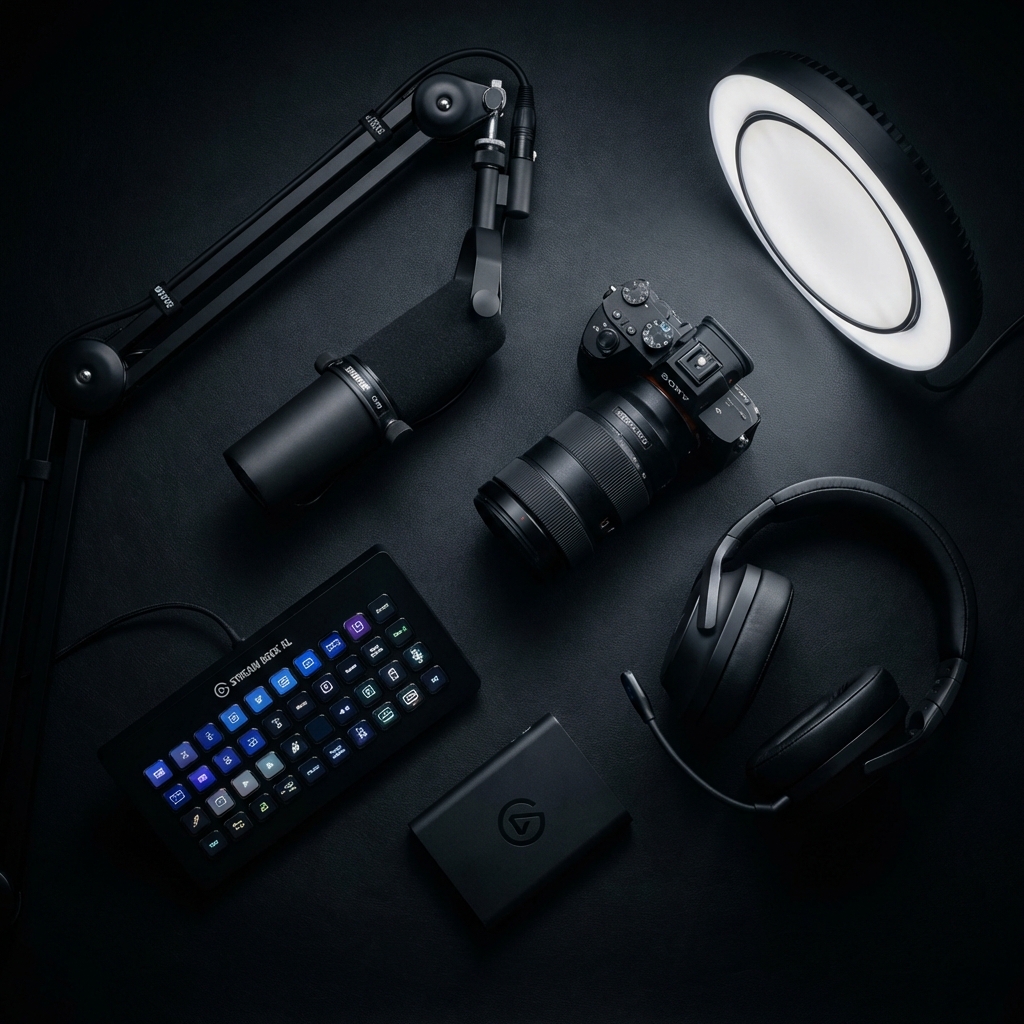
The allure for brands stems from several key factors:
- Hyper-Targeted Reach: Streamers often cultivate highly specific audiences (e.g., competitive FPS players, indie RPG enthusiasts, crafting community). This allows brands to precision-target demographics that are most likely to be interested in their products or services, minimizing wasted ad spend.
- Authenticity and Trust: Viewers trust their favorite streamers. When a streamer genuinely endorses a product, it feels like a recommendation from a friend, not a hard sell. This inherent trust is invaluable.
- Direct Engagement: Live streaming is interactive. Brands can observe real-time audience reactions, participate in chat, and even receive direct feedback, fostering a more dynamic connection than traditional media.
- Content Longevity: While live, the content is ephemeral, but VODs (Videos On Demand), clips, and repurposed social media content ensure that sponsored messaging continues to deliver value long after the stream concludes.
- Measurable ROI: With trackable links, unique discount codes, and analytics dashboards, brands can precisely measure the return on their investment, understanding the direct impact of a streamer's campaign on sales, website traffic, or brand awareness.
Cultivating Your Sponsorship-Ready Persona: What Brands Seek
Before you even think about approaching a brand, it's crucial to ensure your channel is "sponsorship-ready." Brands are meticulous in their selection process, looking for creators who not only align with their values but also demonstrate professionalism, reliability, and a strong, engaged audience. Building this foundation is non-negotiable.
Audience Engagement & Key Performance Indicators (KPIs)
While raw follower count can be enticing, savvy brands prioritize engagement metrics over vanity numbers. They want to see an active, passionate community that interacts with your content and, by extension, with the brands you represent.
- Average Concurrent Viewers (ACV): This is a critical indicator of your live audience size and consistency. Brands want to know how many eyes will realistically see their message in real-time.
- Chat Activity & Emote Usage: A lively chat, frequent use of custom emotes, and consistent participation indicate a highly engaged and loyal community.
- Follower Growth Rate: A steady, organic growth trajectory signals a healthy and expanding channel, appealing to brands looking for long-term partnerships.
- Viewer Retention: How long do viewers stay? High retention rates suggest compelling content and a loyal viewership.
- Demographics: Understanding your audience's age, gender, geographic location, and interests is paramount. This data helps brands determine if your viewers are their target customers.
- Social Media Reach: Your presence on platforms like X (formerly Twitter), Instagram, TikTok, and YouTube extends your reach and offers additional avenues for brand promotion.
For streamers aiming to boost their visibility and audience engagement, platforms like streamhub.shop offer valuable services designed to enhance channel growth. By strategically increasing your channel's exposure and attracting a broader audience, you naturally become a more appealing prospect for potential sponsors looking for active and expanding communities.
Content Quality & Brand Alignment
Your content is your calling card. Brands will scrutinize its quality, consistency, and overall suitability for their image.
- Professional Production Value: This includes clear audio, high-resolution video, well-designed overlays, and appropriate lighting. A polished presentation reflects positively on any brand associated with you.
- Consistent Branding: Does your channel have a cohesive visual identity and tone? Brands look for creators whose personal brand is clear, consistent, and professional.
- Niche Definition: While broad appeal can be good, a defined niche (e.g., retro gaming, speedrunning, cooking streams, tech reviews) often makes you more attractive to specific brands whose products align perfectly with your content.
- Brand Safety: Brands are highly sensitive to content that might be deemed controversial, offensive, or inappropriate. Maintaining a professional and generally "brand-safe" environment is crucial.
Platform Presence & Professionalism
Beyond the stream itself, your overall digital footprint speaks volumes.
- Consistent Schedule: Reliability is key. Brands appreciate streamers who maintain a predictable streaming schedule, ensuring their message reaches a consistent audience.
- Clean VODs & Clips: Ensure past content is well-organized, edited (if necessary), and free from anything that might deter a brand.
- Professional "About Me" Section: Your channel description should clearly articulate who you are, what you stream, and what makes your community unique. Include professional contact information.
- Terms of Service Compliance: Adhering to platform (Twitch, YouTube, etc.) terms of service and local advertising regulations demonstrates responsibility.
Here's a snapshot of key metrics brands often prioritize:
| Metric Category | Specific Metric | Why It Matters to Brands | Target Range (General Guideline) |
|---|---|---|---|
| Audience Size & Reach | Average Concurrent Viewers (ACV) | Indicates immediate viewership for live campaigns. | 50+ (small), 200+ (mid), 1000+ (large) |
| Total Followers/Subscribers | Overall reach and potential for future engagement. | 1,000+ (small), 10,000+ (mid), 100,000+ (large) | |
| Engagement | Chat Engagement Rate | Measures active community interaction during streams. | 5% of ACV (good), 10%+ (excellent) |
| Average Watch Time | Indicates viewer retention and content quality. | 30-60 minutes+ (depending on stream length) | |
| Demographics | Audience Age/Gender | Ensures alignment with target customer base. | Specific to brand's ideal customer profile |
| Geographic Location | Relevant for region-specific campaigns or product availability. | Specific to brand's market focus | |
| Content & Professionalism | Content Quality (Audio/Video) | Reflects brand image and professionalism. | High-definition, clear audio (essential) |
| Brand Safety Score | Minimizes risk of negative brand association. | Generally "Safe" or "Appropriate" |
Crafting Your Media Kit: Your Sponsorship Resume
A media kit is your professional resume for brands. It's a concise, visually appealing document that showcases your channel's value proposition, key statistics, and unique selling points. Think of it as a polished presentation designed to convince a brand that investing in you is a smart decision.
What to Include in a Streamer Media Kit
- Introduction/Bio: A brief, compelling summary of who you are, what you stream, your passion, and your unique personality. Highlight your niche and what makes your content stand out.
- Audience Demographics: Provide data on your viewers' age, gender, location, and interests. Tools like Twitch's analytics or StreamElements provide this valuable information.
- Key Performance Indicators (KPIs): Present your strongest metrics: Average Concurrent Viewers, average watch time, follower count, subscriber count, chat engagement rates, and social media reach. Use graphs or charts for clarity.
- Content Examples/Portfolio: Link to your best VODs, highlight reels, clips, or social media posts that showcase your streaming style and engagement. If you've done previous brand deals, include examples of your sponsored content.
- Previous Brand Collaborations (if any): List any past sponsorships or affiliate partnerships, demonstrating your experience in working with brands. Include testimonials if possible.
- Case Studies/Success Stories: If you've delivered exceptional results for a previous brand (e.g., drove X sales, generated Y clicks), quantify that success.
- Collaboration Opportunities: Briefly outline the types of sponsorships you're open to (e.g., dedicated streams, product reviews, integrated shoutouts, unboxing videos).
- Contact Information: Professional email address, social media handles, and links to your streaming channels.
- Rate Card (Optional, but Recommended): A transparent overview of your pricing for various types of collaborations (e.g., per-hour, per-stream, fixed campaign fee). This saves time in negotiations.
Tips for an Effective Media Kit
- Keep it Concise: Brands are busy. Aim for 2-4 pages max.
- Visually Appealing: Use high-quality graphics, your channel's branding, and a clean layout. Canva or professional design software can help.
- Data-Driven: Back up all claims with real numbers and verifiable statistics.
- Tailor for Each Outreach: While you'll have a core media kit, be prepared to customize aspects of it to specifically address the needs and interests of each brand you approach.
- PDF Format: Always send your media kit as a PDF to ensure consistent formatting across all devices.
Finding Potential Sponsors: Where to Look
Once your channel is polished and your media kit is ready, the next step is identifying and approaching brands. This requires research, persistence, and a strategic mindset.
Direct Outreach: The Proactive Approach
This is often the most effective method, especially for streamers with niche audiences. It involves directly contacting brands you believe are a good fit for your channel.
- Identify Relevant Brands: Start with products you genuinely use and love, games you regularly play, or services relevant to your audience. Think about companies whose values align with yours.
- Research Brand Marketing Contacts: Look for "Partnerships," "Influencer Marketing," "Brand Collaborations," or "PR" sections on company websites. LinkedIn can also be a goldmine for finding marketing managers or brand strategists.
- Craft Personalized Pitches: Generic emails rarely succeed. Tailor each pitch to the specific brand, explaining why you're a good fit, how your audience aligns with their target market, and what unique value you can bring.
- Showcase Your Growth: Brands are always looking for growing channels. Mentioning your recent growth trajectory or how services like streamhub.shop have helped you expand your reach can add significant weight to your pitch, demonstrating proactive channel management and a commitment to increasing your visibility.
Influencer Marketing Platforms & Agencies
These platforms act as intermediaries, connecting streamers with brands. They can simplify the discovery and negotiation process, though they often take a commission.
- Dedicated Influencer Platforms: Websites like StreamElements (for specific Twitch deals), Streamlabs, Upfluence, Grin, Mavrck, or CreatorIQ specialize in connecting brands with creators across various platforms.
- Talent Agencies: For larger streamers, signing with a talent agency specializing in gaming or digital content can be beneficial. They handle all the outreach, negotiation, and contract specifics, allowing you to focus on content.
- Multi-Channel Networks (MCNs): While less prevalent for sponsorships specifically, some MCNs offer brand deal opportunities alongside other creator services.
Affiliate Programs & Brand Ambassador Initiatives
These are excellent starting points for smaller or newer streamers looking to gain experience with brand partnerships.
- Affiliate Programs: Many companies (e.g., Amazon Associates, gaming peripheral manufacturers, software companies) offer affiliate programs where you earn a commission on sales made through your unique link or code.
- Brand Ambassador Programs: Some brands run structured programs where creators promote products in exchange for free gear, exclusive access, or smaller stipends, often with the potential to grow into larger sponsorships.
Here's a comparison of common sponsorship outreach methods:
| Outreach Method | Pros | Cons | Best Suited For |
|---|---|---|---|
| Direct Outreach |
|
|
Streamers with a clear niche and good understanding of their audience, willing to invest time. |
| Influencer Platforms/Agencies |
|
|
Mid-tier to larger streamers seeking efficiency and broader exposure to deals. |
| Affiliate Programs |
|
|
New or smaller streamers looking to gain experience and supplemental income. |
The Pitch: How to Approach Brands Effectively
Your initial outreach email is your first impression. It needs to be professional, compelling, and demonstrate a clear understanding of the brand's needs.
Understanding the Brand's Objectives
Before you even write an email, put yourself in the brand's shoes. What are they trying to achieve? Common brand objectives include:
- Brand Awareness: Simply getting their name out there.
- Product Launches: Generating buzz for a new item.
- Sales/Conversions: Driving purchases through discount codes or direct links.
- Lead Generation: Collecting emails or sign-ups.
- Content Creation: Using your content for their own marketing.
Tailor your pitch to demonstrate how you can help them achieve their specific goals.
Crafting a Compelling Pitch Email
Your email should be concise, professional, and persuasive.
- Personalized Subject Line: Make it stand out. Examples: "Partnership Opportunity: [Your Channel Name] x [Brand Name]," "Collaboration Proposal: [Your Name] for [Brand Product]."
- Concise Introduction: Briefly introduce yourself and your channel. State your passion for their brand/product from the outset.
- Value Proposition: This is the core of your pitch.
- Explain why you're a good fit, highlighting audience alignment and mutual values.
- Detail how you can help them achieve their objectives (e.g., "I can showcase your new gaming headset to my dedicated community of competitive FPS players, generating authentic interest and driving traffic to your store").
- Reference specific metrics from your media kit without overwhelming them.
- Proposed Collaboration Ideas: Offer a few specific, creative ideas for how you could integrate their brand naturally into your content (e.g., dedicated review stream, integrated gameplay segment, community giveaway).
- Call to Action: Clearly state what you want next (e.g., "I'd love to schedule a brief call to discuss this further," "Please find my media kit attached for more details").
- Professional Closing: Thank them for their time.
- Attach Media Kit: Always include your media kit as a PDF.
Follow-Up Strategies
Persistence is key, but don't be annoying.
- Wait 5-7 Business Days: If you don't hear back, send a polite follow-up email.
- Add Value in Follow-Ups: Instead of just asking "Did you get my email?", offer a new idea or highlight a recent channel achievement.
- Consider Alternatives: If a direct sponsorship isn't feasible, suggest an affiliate partnership or a product-for-review collaboration as a stepping stone.
Negotiation and Contract Essentials
Once a brand expresses interest, you've entered the negotiation phase. This is where professionalism, clear communication, and a solid understanding of your worth are crucial.
Understanding Different Sponsorship Models
Sponsorships come in various forms, each with different payment structures:
- Flat Fee per Campaign/Deliverable: A fixed payment for a set number of streams, videos, or social posts. Most common.
- Performance-Based (CPA, CPC, CPI): You earn based on actions (Cost Per Action), clicks (Cost Per Click), or installs (Cost Per Install) generated through your unique links/codes. Often combined with a smaller base fee.
- Product-in-Exchange: You receive free products/services in lieu of monetary payment. Good for smaller channels or high-value items, but should be used sparingly if you're seeking income.
- Hybrid Models: A combination of a flat fee and performance-based bonuses, offering security with incentive for strong results.
Key Contract Clauses to Review
Never sign a contract without reading it thoroughly. If in doubt, consult with a legal professional specializing in influencer marketing.
- Deliverables & Timeline: Clearly outlines what you need to do (e.g., "2 dedicated streams," "5 Instagram stories," "3 mentions per stream") and by when. Be realistic about what you can deliver.
- Payment Terms: When and how will you be paid? Net 30/60/90 are common (payment within 30, 60, or 90 days after invoice). Ensure clarity on invoicing process.
- Exclusivity: This is critical. Does the contract prevent you from working with competing brands for a certain period? Negotiate the scope (e.g., only for gaming peripherals, not for all tech) and duration (e.g., 30 days, not 6 months).
- Content Ownership & Usage Rights: Who owns the content created? Does the brand have the right to repurpose your content for their own marketing? Ensure you're comfortable with the terms, and if they want extensive rights, ensure you're compensated appropriately.
- Disclosure Requirements: Mandates how you must disclose the sponsorship (e.g., #ad, #sponsored, verbal disclosure). Always comply with FTC guidelines (for US) or local equivalents.
- Approval Process: Does the brand need to approve your content before you go live? Understand the turnaround times and ensure it doesn't stifle your creativity or delay your schedule.
- Termination Clauses: Under what conditions can either party end the agreement? Understand your rights and obligations if a contract is terminated early.
Remember, a professional channel that consistently demonstrates growth and engagement, perhaps amplified through services like streamhub.shop, often has stronger leverage in negotiations. Brands are more willing to invest in creators who proactively invest in their own success and audience development.
Delivering on Your Promise: Executing a Successful Campaign
Securing the deal is only half the battle. Executing the campaign flawlessly is what builds trust, leads to repeat business, and enhances your reputation.
Authenticity and Integration
The most successful sponsorships feel natural and authentic. Avoid making sponsored segments feel forced or like a jarring commercial break.
- Seamless Integration: Weave the product or message naturally into your existing content. If you're a gaming streamer, integrate a headset review during gameplay, or discuss a new game while playing.
- Genuine Enthusiasm: Only partner with brands and products you genuinely believe in. Your audience will sense insincerity.
- Maintain Your Voice: Don't let the brand dictate your personality or content style entirely. Your unique voice is why viewers tune in.
Transparency and Disclosure
This is legally and ethically imperative. Always be transparent with your audience about sponsored content.
- Verbal Disclosures: Announce that a segment is sponsored at the beginning and/or during the broadcast.
- On-Screen Graphics: Use clear "Sponsored by" or "#Ad" overlays.
- Chat Bots: Program your chat bot to periodically post disclosure messages.
- Description Boxes: Include disclaimers in your VOD descriptions and YouTube video descriptions.
- Social Media Tags: Use #ad or #sponsored on all social media posts related to the campaign.
Reporting and Analytics
After the campaign, provide the brand with a comprehensive report of the results. This demonstrates professionalism and value.
- Key Metrics: Total views, unique viewers, average watch time, chat engagement during sponsored segments, link clicks, code redemptions, social media impressions.
- Audience Feedback: Summarize positive feedback or common questions from your community.
- Campaign Summary: A brief overview of what you did, the reach, and the impact.
- Screenshots/Clips: Include examples of the sponsored content.
Building Long-Term Brand Relationships
A single sponsorship can be good, but nurturing long-term relationships leads to consistent income and a more stable career.
- Post-Campaign Follow-Up: Send a thank-you note and your detailed report shortly after the campaign concludes.
- Stay in Touch: Periodically update brands on your channel growth, new content ideas, or significant milestones.
- Be Reliable & Professional: Consistently deliver high-quality content on time, communicate promptly, and be easy to work with.
- Proactive Pitching: Don't wait for them to come back. After a successful campaign, pitch new, creative ideas for future collaborations.
Consistent channel growth is a powerful signal to brands that you are a valuable, long-term partner. Continuing to invest in your visibility and audience expansion through trusted resources like streamhub.shop can significantly enhance your appeal for sustained brand relationships, leading to more frequent and higher-value deals.
Challenges and Pitfalls to Avoid
While sponsorships offer immense opportunities, there are potential pitfalls:
- Losing Authenticity: Partnering with too many brands or brands that don't align with your content can alienate your audience.
- Over-Saturating Your Content: Too many sponsored segments can make your stream feel like an infomercial, diminishing viewer enjoyment.
- Poor Contract Negotiation: Rushing into a deal or failing to understand contract terms can lead to exploitation or restrictive clauses.
- Lack of Transparency: Failing to disclose sponsorships can damage your reputation, lead to fines, and violate platform policies.
- Under-Valuing Your Channel: Don't be afraid to negotiate for fair compensation. Understand your value.
Frequently Asked Questions
How much should I charge for a sponsorship?
Determining your rates depends on several factors: your average concurrent viewers (ACV), total followers, engagement rate, niche, the complexity of deliverables, and the exclusivity period. New streamers might start with product-for-review deals or smaller flat fees ($50-$200 per stream), while mid-tier streamers could charge anywhere from $250-$1,000+ per stream. Larger creators can command thousands. Research industry benchmarks, understand your audience's value to a brand, and don't be afraid to negotiate. A good starting point is to calculate a rough "CPM" (Cost Per Mille/Thousand impressions) for your average views, but also factor in engagement and specific deliverables.
Do I need a certain number of viewers to get sponsored?
No strict minimum exists, but generally, brands look for at least 50-100+ average concurrent viewers (ACV) and a few thousand followers to consider a paid sponsorship. However, smaller, highly niche channels with extremely engaged audiences can secure deals, especially with brands targeting that specific niche. Affiliate programs and product-in-exchange deals are often more accessible for newer streamers. Focus on engagement and building a loyal community, regardless of size.
What if a brand wants me to promote something I don't like or use?
Decline the offer. Promoting a product you don't genuinely like or believe in is a quick way to lose the trust and authenticity you've built with your audience. Your credibility as a creator is paramount. It's better to pass on a deal than to compromise your integrity for short-term gain. Explain politely that the product isn't a natural fit for your content or audience.
How long does it typically take to secure a brand deal?
The timeline varies wildly. Direct outreach can take anywhere from a few weeks to several months, involving initial contact, follow-ups, pitch refinement, negotiation, and contract review. Deals through influencer platforms might be faster, as brands are already looking to connect. Building initial relationships can be a long game, but once established, repeat collaborations can happen much more quickly. Patience and persistence are key.
What are the legal requirements for disclosing sponsorships?
In many regions, including the United States (via the FTC) and the UK (via the ASA), it is a legal requirement to clearly and conspicuously disclose any material connection between you and a brand when promoting their products or services. This means your audience should be able to easily understand that you are being compensated or receiving free products. Common methods include using hashtags like #ad or #sponsored in social media posts, verbal disclosures at the beginning and throughout streams, and visible on-screen graphics. Always check the specific guidelines for your region and the platforms you use.