The live streaming industry, once dominated by a handful of established giants, is experiencing a significant paradigm shift. For years, platforms like Twitch have been the undisputed digital arenas for content creators to connect with audiences, build communities, and, crucially, monetize their passions. However, recent developments, notably the aggressive emergence of Kick.com, have ignited a fervent discussion among streamers worldwide. This comprehensive analysis delves into the multifaceted reasons behind the growing migration of content creators to Kick, dissecting the economic, policy, and community factors at play, and offering an expert perspective on the implications for the future of live streaming.
The dynamic nature of digital content creation means platforms must continually adapt to the evolving needs and expectations of their primary assets: the streamers themselves. When a new player enters the arena with a compelling value proposition, it inevitably prompts a re-evaluation of long-standing loyalties. Kick, backed by Stake.com founders and Trainwreckstv, has positioned itself as a streamer-centric alternative, challenging the status quo with policies designed to appeal directly to the creator community.
{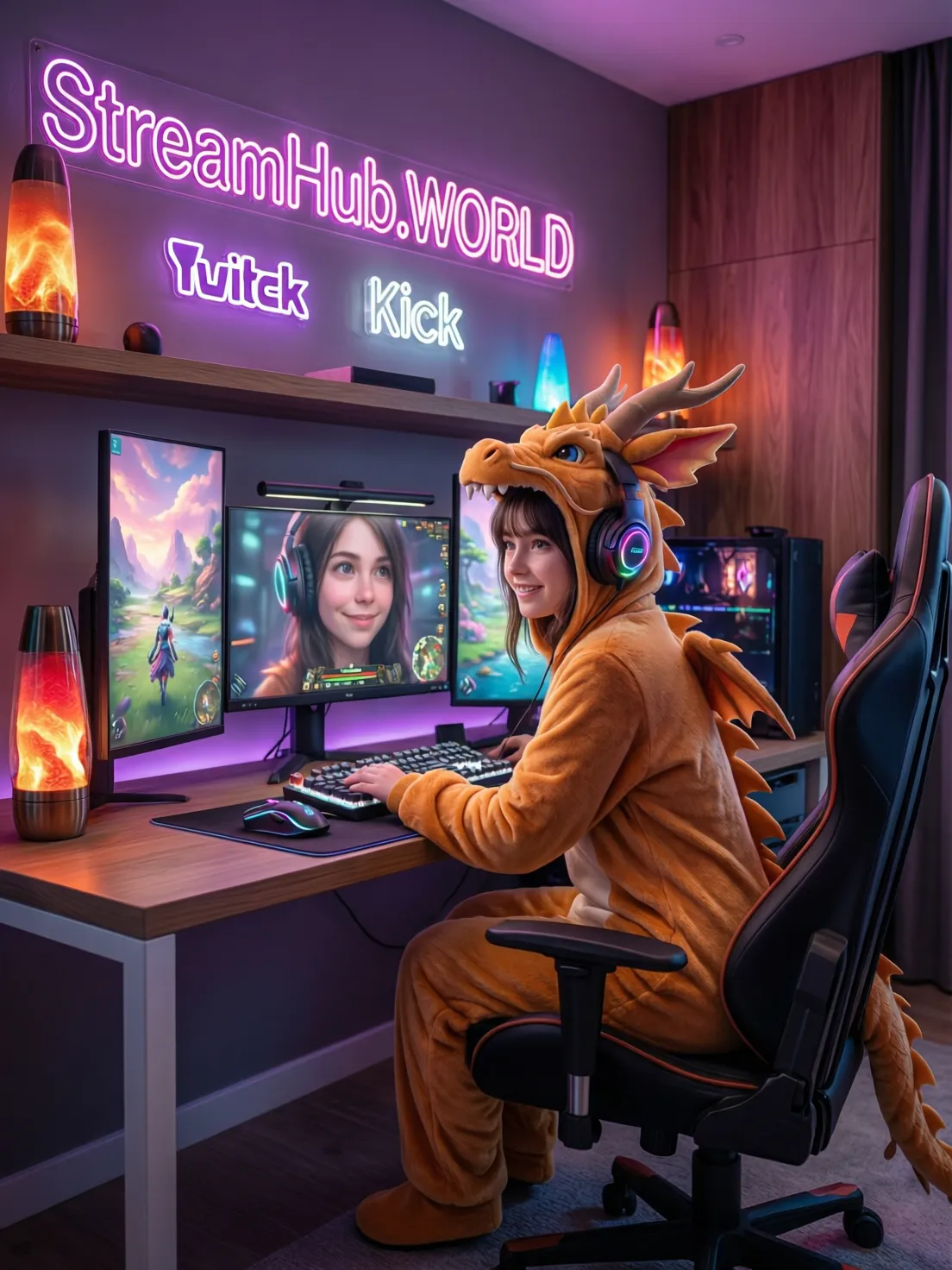 }
}
The Allure of Kick: A Disruptor's Rise in Live Streaming
Kick burst onto the scene in late 2022, immediately drawing attention with its audacious promises. While many new streaming platforms have attempted to challenge Twitch's hegemony over the years, few have garnered the immediate traction and sustained buzz that Kick has achieved. This rapid ascent can be attributed to several key strategic decisions and inherent advantages that resonate deeply with the frustrations and aspirations of the modern streamer.
At its core, Kick presents itself as a solution to some of the most persistent grievances voiced by content creators on established platforms. These grievances often revolve around monetization, content policy enforcement, and the perceived lack of transparency or support from platform operators. By addressing these pain points head-on, Kick has carved out a distinct identity as a disruptive force, compelling streamers to seriously consider diversifying their presence or even making a full transition.
Monetization Models: The Payout Paradigm Shift
Perhaps the single most compelling factor driving streamers to Kick is its revolutionary revenue share model. For years, Twitch’s standard 50/50 split on subscription revenue has been a point of contention, with many creators feeling that the platform retained an disproportionately large share of their earnings. Kick, by contrast, offers an unprecedented 95/5 revenue split, meaning streamers retain 95% of their subscription income, with Kick taking only 5%.
This dramatic difference in payout structure represents a significant financial incentive, especially for mid-tier and larger streamers whose earnings from subscriptions form a substantial portion of their income. The impact of this policy is not merely theoretical; it translates directly into tangible increases in take-home pay for creators. Below is a realistic comparison illustrating the financial implications:
| Platform | Subscription Revenue Split (Streamer/Platform) | Average Monthly Subscriber Count | Gross Subscription Revenue (USD) | Streamer's Take (USD) | Platform's Take (USD) |
|---|---|---|---|---|---|
| Twitch (Standard) | 50% / 50% | 500 | $2,495.00 | $1,247.50 | $1,247.50 |
| Kick | 95% / 5% | 500 | $2,495.00 | $2,370.25 | $124.75 |
| Twitch (Standard) | 50% / 50% | 1,000 | $4,990.00 | $2,495.00 | $2,495.00 |
| Kick | 95% / 5% | 1,000 | $4,990.00 | $4,740.50 | $249.50 |
*Assumes average subscription price of $4.99 USD. Actual results may vary based on regional pricing and other factors.
Beyond subscriptions, Kick has also indicated a commitment to competitive advertising revenue sharing and a simplified payout process, further enhancing its appeal as a financially viable platform for professional streamers. This aggressive approach to revenue sharing forces other platforms to reconsider their own models, potentially sparking a beneficial competition for creators.
Content Freedom and Policy Philosophy
Another critical factor in Kick's rise is its approach to content moderation and policy enforcement. Streamers have long expressed frustration with Twitch's often opaque and seemingly inconsistent content policies, leading to bans or suspensions that can severely impact a creator's livelihood and community. Kick has positioned itself with a more lenient stance, particularly concerning certain types of content that have historically been restricted on other platforms.
This includes categories like casino streaming, which were heavily impacted by Twitch's policy changes. Kick's more open stance on such content has attracted a significant number of streamers from these niches, along with their dedicated audiences. While this approach inevitably raises questions about responsible content regulation and platform safety, it undeniably offers a broader spectrum of creative expression for creators who feel constrained elsewhere.
It's important to note that "lenient" does not equate to "anything goes." Kick still maintains guidelines against illegal activities, hate speech, and harassment. However, the perceived difference in application and the willingness to host content types that are more strictly policed on competitors represent a significant draw for many who seek greater autonomy over their broadcasts.
Discovery and Growth Opportunities for Emerging Creators
For new and smaller streamers, the challenge of discoverability on saturated platforms like Twitch is immense. With millions of channels vying for attention, breaking through the noise can feel insurmountable. Kick, as a newer platform with a rapidly growing but still smaller user base, offers a unique opportunity for emerging creators to gain visibility more quickly.
The algorithm on a less crowded platform can be more forgiving, making it easier for new streams to appear on front pages or in recommended sections. This "first-mover advantage" for early adopters on Kick means that streamers who establish themselves now have a better chance of growing with the platform, potentially securing a larger slice of the audience as it expands. This is particularly appealing for those who have struggled for years to gain traction on more established services.
Furthermore, streamers looking to accelerate their growth on emerging platforms like Kick can leverage professional marketing tools. Services like streamhub.shop offer tailored solutions designed to enhance channel visibility, optimize discoverability, and expand audience reach, providing a strategic edge in a competitive landscape.
Technical Stability and Feature Set: A Platform in Evolution
While Kick's revenue split and content policies are major draws, its technical infrastructure and feature set are still in active development. Early adopters have reported occasional stability issues, but the platform has demonstrated a commitment to rapid iteration and improvement. Key features that streamers expect, such as robust moderation tools, reliable stream quality, and interactive elements, are continually being refined.
Kick has been transparent about its roadmap, frequently communicating updates and engaging with the community for feedback. This direct line of communication and visible progress fosters a sense of involvement among its users, differentiating it from platforms where development often feels more opaque. The introduction of features like integrated chat bots, simplified streaming setups, and improved VOD (Video On Demand) capabilities are all part of Kick's strategy to become a comprehensive streaming solution.
Community Dynamics and Platform Culture
The culture of a streaming platform is largely defined by its creators and viewers. Kick's community is still in its formative stages, offering a unique opportunity for streamers to help shape its identity. This contrasts with the well-established, and sometimes entrenched, communities on older platforms.
The initial influx of streamers, particularly those from specific content niches, has contributed to a distinct early culture on Kick. As the platform matures, its community will undoubtedly evolve, but for now, it offers a fresh environment for creators seeking a new beginning or a different kind of interaction with their audience. The emphasis on streamer empowerment and higher payouts has also fostered a positive sentiment among many creators, who feel more valued by the platform itself.
The Twitch Counter-Narrative: Why Some Remain
Despite Kick's aggressive growth, it's crucial to acknowledge that Twitch remains the dominant player, and for many streamers, it continues to be the preferred platform. There are several compelling reasons why creators choose to stay:
- Established Audience & Network Effects: Twitch boasts a massive, ingrained audience base. Many streamers have spent years cultivating their communities, and the thought of rebuilding that audience on a new platform is daunting. The sheer volume of viewers and the robust social network of Twitch Prime, raids, and hosts provide unparalleled discoverability within its ecosystem.
- Feature Richness & Stability: As a mature platform, Twitch offers a highly refined and stable streaming experience with a wealth of integrated features, extensions, and backend tools developed over a decade. Its global content delivery network (CDN) ensures high-quality streams with minimal latency for viewers worldwide.
- Brand Recognition & Sponsorships: For many brands and advertisers, Twitch is still the go-to platform for live content sponsorships due to its reach and established metrics. Moving to a newer platform, even with better payouts, might mean a temporary dip in sponsorship opportunities or brand deals.
- Integrated Ecosystem: Twitch is deeply integrated with Amazon's broader ecosystem, offering unique advantages like Prime Gaming benefits, which can drive subscriptions and engagement.
This creates a nuanced decision-making process for streamers, often leading to a consideration of multi-streaming rather than an exclusive migration.
Strategic Considerations for Streamers: Navigating the New Landscape
For streamers contemplating a move or diversifying their presence, a strategic approach is paramount. Here's a breakdown of actionable considerations:
Evaluating a Full Migration vs. Multi-Streaming
- Assess Your Current Audience: How loyal and adaptable is your existing community? Are they likely to follow you to a new platform?
- Analyze Your Content Niche: Does your content align well with Kick's current community and content policies? Are there specific categories on Kick that could benefit your growth?
- Financial Impact: Calculate the potential increase in earnings from Kick's revenue split versus the potential risk of losing some existing income or sponsorship opportunities on your current platform.
- Resource Allocation: Consider the time and effort required to build a new presence, learn new platform tools, and manage two separate communities if multi-streaming.
Step-by-Step Guidance for Transitioning to Kick (or Multi-Streaming)
If you decide to make the move or incorporate Kick into your strategy, here's a general roadmap:
- Create Your Kick Account: Sign up and familiarize yourself with the dashboard and settings.
- Optimize Your Profile: Fill out your profile completely, add appealing banners, and link your social media channels.
- Configure Your Streaming Software: Connect your OBS, Streamlabs, or other broadcasting software to Kick's ingest servers. Test your stream settings to ensure optimal quality.
- Announce Your Move: Inform your existing community across all your social platforms. Explain your reasons for exploring Kick and provide clear instructions on how to find you there.
- Schedule Consistent Streams: Maintain a regular schedule on Kick to build a new audience and signal commitment to the platform.
- Engage Actively: Respond to chat, interact with new viewers, and participate in the broader Kick community.
- Leverage Growth Tools: For streamers aiming for rapid growth and discoverability on Kick, services such as streamhub.shop can provide valuable analytics, promotional strategies, and audience engagement tools to help accelerate channel development.
- Monitor Performance: Track your viewership, engagement, and revenue on both platforms to make informed decisions about your long-term strategy.
Navigating the Multi-Streaming Landscape
For many, multi-streaming (broadcasting to two or more platforms simultaneously) presents a balanced approach. It allows streamers to tap into Kick's favorable monetization model and growth potential while retaining their established audience and benefits on platforms like Twitch. However, multi-streaming comes with its own set of challenges, including managing multiple chats, optimizing bandwidth, and adhering to platform-specific terms of service (some platforms have exclusivity clauses for partners).
Tools and services exist to help streamers manage multi-streaming more effectively, offering consolidated chat interfaces and streamlined broadcasting workflows. Careful planning and resource management are key to successfully navigating this hybrid strategy.
Data Table: Feature Comparison of Leading Streaming Platforms
To provide a more holistic view, here's a comparison of key features across prominent live streaming platforms:
| Feature/Platform | Twitch | Kick | YouTube Live |
|---|---|---|---|
| Revenue Share (Subscribers) | 50% / 50% (Standard) | 95% / 5% | 70% / 30% |
| Content Moderation | Strict, often opaque | More lenient, evolving | Strict, AI-driven |
| Discoverability for New Streamers | Challenging due to saturation | Higher potential due to growth | Moderate, SEO-dependent |
| Platform Maturity/Stability | Very High | Medium (rapidly improving) | High |
| VOD Archiving & Management | Good, 60-day limit for VODs | Improving, VODs available | Excellent, permanent VODs |
| Mobile App Experience | Excellent | Good, continuously developed | Excellent |
| Integrated Extensions/Tools | Extensive library | Growing library | Good, YouTube Studio focused |
| Global Reach & CDN | Excellent | Good, expanding | Excellent |
The Future of Live Streaming: A Competitive Horizon
The rise of Kick signals a crucial turning point in the live streaming industry. It demonstrates that streamers, as the primary content generators, wield significant power in shaping the competitive landscape. As platforms increasingly vie for creator loyalty, we can anticipate more innovation, more aggressive revenue sharing models, and a greater focus on streamer tools and support.
This intensified competition ultimately benefits content creators, offering them more choices, better financial terms, and greater autonomy over their content. Whether Kick will ultimately unseat Twitch as the dominant platform remains to be seen, but its current trajectory has undeniably injected a much-needed jolt of competition into an industry that many felt had grown complacent. Streamers now have a more diverse array of options to consider, allowing them to choose a platform that best aligns with their financial goals, content philosophy, and community aspirations.
Frequently Asked Questions About Streamers Moving to Kick
Is Kick a legitimate platform, or is it a passing fad?
Kick has demonstrated significant backing and a clear strategy to attract streamers, particularly through its generous 95/5 revenue split. While it's relatively new, its rapid growth and the high-profile creators it has attracted suggest it's a legitimate and serious contender in the live streaming space, not merely a passing fad. Its long-term viability will depend on its ability to maintain technical stability, continue feature development, and responsibly manage its content ecosystem.
What are the main risks associated with moving to Kick?
The primary risks include the platform's relative immaturity compared to established competitors, which can sometimes lead to technical glitches or evolving feature sets. There's also the uncertainty of building a new audience from scratch, as your existing community might not fully migrate. Additionally, Kick's more lenient content policies, while attractive to some, could potentially lead to a less curated or more volatile community environment, which might not appeal to all creators or advertisers.
Can I stream on both Twitch and Kick simultaneously?
Yes, many streamers choose to multi-stream on both platforms. However, it's crucial to review the partnership agreements of each platform. While Kick generally allows multi-streaming, Twitch's Partner Program historically included exclusivity clauses. Although Twitch recently relaxed some of these rules, particularly regarding non-exclusive simultaneous broadcasts to other platforms, it's always best practice to check the most current terms of service for both platforms to ensure compliance and avoid any potential issues. Tools exist to help manage multi-streaming efficiently.
How can new streamers grow quickly on Kick?
Growing on Kick, like any platform, requires consistency, engaging content, and active community interaction. Leverage the platform's current lower saturation to your advantage by streaming regularly and engaging with new viewers. Promote your Kick channel across all your social media platforms. For an additional strategic edge, consider utilizing professional growth services. For instance, streamhub.shop offers solutions designed to enhance your channel's visibility and audience engagement, helping you accelerate your growth on newer platforms.
What kind of content is popular on Kick?
Kick initially gained traction with creators from categories such as "Just Chatting," gambling, and certain gaming niches that faced stricter regulations on other platforms. However, as the platform expands, its content diversity is growing rapidly. You'll find a wide array of gaming content, creative streams, music, talk shows, and lifestyle broadcasts. The platform aims to host a broad spectrum of content, appealing to a diverse audience and creator base.