You've hit the "Go Live" button on Kick, the stream is running, and... crickets. It's a familiar feeling for many new streamers. The allure of a growing platform like Kick is strong, but building a community from scratch, especially when you're starting with zero or very few viewers, can feel like shouting into the void. This guide isn't about magical growth hacks, but about practical, persistent strategies to turn those initial few clicks into loyal viewers and genuine community members on Kick.
Beyond the "Go Live" Button: Intentional Engagement
Many new streamers focus heavily on the content itself, which is vital, but community building often starts long before and extends well after the stream. On Kick, where discoverability is still evolving and the platform might feel less saturated than others, direct, intentional engagement can be particularly effective.
Pre-Stream Prep for Connection
Think about how you're signaling your intentions before you even go live. Are you just posting a generic "Live now!"? Or are you giving people a reason to tune in and a hook to engage?
- Schedule & Teasers: Consistently use Kick's scheduling feature. On other platforms, this might get lost, but on Kick, a well-placed upcoming stream notification can cut through. Pair this with a concise social media post (e.g., X, Discord) detailing *what* you'll be doing and *why* someone should care.
- Engage Off-Stream: Don't wait for people to find you live. Jump into other streamers' chats (respectfully, without self-promo), participate in Kick communities or Discord servers related to your niche. Being a visible, positive member of the wider Kick ecosystem helps people recognize your name later.
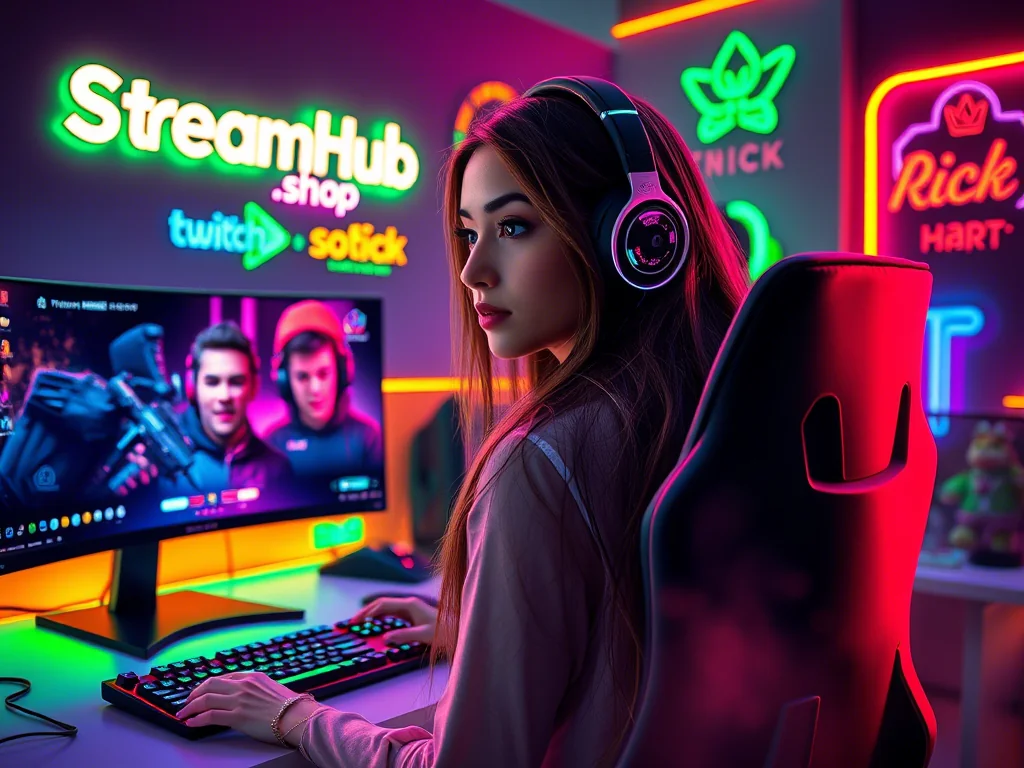
During-Stream: Active Participation, Not Passive Broadcasting
This is where the rubber meets the road. Every single viewer, especially at the start, is a potential community cornerstone. Treat them as such.
- Acknowledge & React: Say hello to every new chatter by name (if they're comfortable). React to their comments, even if it's just a quick "Good point!" or "Thanks for sharing that." This simple act signals that they've been seen and heard.
- Ask Open-Ended Questions: Instead of "How are you?", try "What's a game you've been surprisingly hooked on lately?" or "What's your take on [current event related to your content]?" These invite longer responses and conversation.
- Create Mini-Moments: Even with one viewer, you can create interactive moments. "Hey [viewer's name], should I go left or right here?" or "What's your favorite part of this song?" It turns a passive viewing experience into a shared one.
- Utilize Kick's Polls/Chat Features: Simple polls ("Which game next?") or even just asking for emotes to gauge sentiment can make viewers feel involved.
Post-Stream: Nurturing the Relationship
The stream ends, but the community doesn't have to. This is where your Discord server, if you have one, becomes invaluable.
- Recap & Thank: A quick "Thanks for hanging out, stream is over!" in chat and a follow-up on social media or Discord can keep the momentum. Highlight a funny moment or a good discussion from the stream.
- Continue Conversation: If a good topic came up during the stream, continue it in your Discord. "Hey, remember that discussion about [topic]? What else do you guys think?"
- Show Appreciation: Acknowledge consistent viewers or those who contributed meaningfully. A simple shout-out or thank you can go a long way.
Leveraging Kick's Current Landscape: Niche & Directness
Kick, being a newer platform compared to its counterparts, often has a different "vibe." There are fewer major creators, and many niches are less saturated. This presents a unique opportunity for new streamers to carve out a distinct identity and build a more direct relationship with their audience.
The Indie Game Explorer: A Mini-Scenario
Let's say you're "PixelPioneer," a new streamer on Kick who loves exploring obscure indie games and retro titles. You're starting with 0-5 viewers per stream.
- Hyper-Niche Content: You lean into playing games that don't have thousands of concurrent viewers, which means less competition for eyeballs on Kick's browse page. You select games with engaged, albeit smaller, fanbases.
- Direct Engagement Goal: For every viewer who says "hi," you immediately respond, ask what they enjoy about indie games, or if they've played the current game. You make it a point to remember their username and what they said in subsequent streams.
- Community Name: You decide to call your community "The Pixel Pathfinders." You occasionally ask viewers to vote on which lesser-known game to try next, giving them a real say.
- Discord Hub: You create a simple Discord where you post your schedule, share links to interesting indie game news, and have a channel specifically for "Game Suggestions for PixelPioneer." When someone suggests a game you play, you give them a shout-out on stream.
- Small Wins: After a few weeks, you have a core of 5-10 regular viewers. They're not just watching; they're actively suggesting games, chatting about game development, and even raiding your stream occasionally with their friends. This feels far more personal and engaged than a chat with hundreds of nameless viewers.
The takeaway: Embrace the smaller scale. It allows for deeper, more meaningful connections that are harder to forge in a massive, fast-moving chat.
The Community Pulse: Common Hurdles & Realities
Creators frequently express concerns about the slow start on Kick, especially when transitioning from other platforms or beginning fresh. Many voice frustration over low viewer counts, feeling like their efforts aren't translating into audience growth, or struggling to maintain a lively chat when only one or two people are present. A recurring sentiment is the challenge of finding genuine connections when the "numbers" aren't there to validate the effort. There's also the question of whether the content itself is the issue, or if it's purely a discoverability problem on a newer platform.
The reality is that community building on any platform, especially a nascent one, is a marathon. It demands consistency, patience, and a willingness to engage with the few before you can hope to engage with the many. It's less about chasing transient viewers and more about cultivating a loyal core who feel seen and valued, regardless of the overall stream numbers.
Building Your Kick Community: A Decision Framework
Here’s a simple framework to guide your community-building efforts, especially when you're just starting out.
| Question | Action/Consideration | Why it Matters on Kick |
|---|---|---|
| Who am I trying to reach? (Niche) | Define your ideal viewer. What are their interests? What problems do you solve/entertainment do you provide? | Kick's smaller pool means targeted content can find its people more effectively than broad appeal. |
| How will I make a new viewer feel acknowledged? (First Impression) | Plan specific phrases or actions for new chatters. Make eye contact with camera. Respond promptly. | Direct interaction is paramount. On Kick, a personal welcome can turn a lurker into a participant. |
| What value do I offer beyond just content? (Connection) | Think about shared interests, unique perspectives, or genuine conversations you can spark. | Viewers stay for the streamer, not just the game. Shared interests foster stronger bonds. |
| Where will the community "live" off-stream? (Hub) | Set up a simple Discord server. Use social media (X, Instagram, TikTok) to announce streams and interact. | Extending conversations beyond the live stream builds deeper loyalty and provides a consistent touchpoint. |
| How will I encourage participation, not just observation? (Engagement) | Incorporate polls, open-ended questions, viewer choices, or even co-op gameplay. | Active participation gives viewers a sense of ownership and belonging, crucial for nascent communities. |
Sustaining the Spark: What to Review Next
Community building isn't a one-and-done task. It requires ongoing attention and adaptation. Here’s what to routinely review:
- Chat Dynamics & Vibe: Periodically review your chat logs (if you have them) or simply reflect on recent streams. Is the chat positive? Are there inside jokes forming? Are new viewers getting welcomed? If not, adjust your moderation or engagement style.
- Discord Activity: Is your Discord server active? Are channels being used as intended? If not, consider new conversation starters, events, or simplifying the server structure. Sometimes less is more.
- Content Alignment: Is your content still attracting the kind of community you want? Sometimes what initially worked might shift. Be open to refining your niche or exploring adjacent content that your current community might enjoy.
- Feedback Loop: Occasionally, ask your established community directly (via a poll or a dedicated Discord channel) what they enjoy, what they'd like to see more of, or what could be improved. This shows you value their input.
- Your Energy Levels: Community building can be draining. Are you still genuinely enjoying the interaction? If you're feeling burnt out, it will reflect in your engagement. Take breaks, delegate simple tasks if possible, and remember why you started.
2026-03-09